Tokyo After Dark: Where Neon Dreams Come Alive

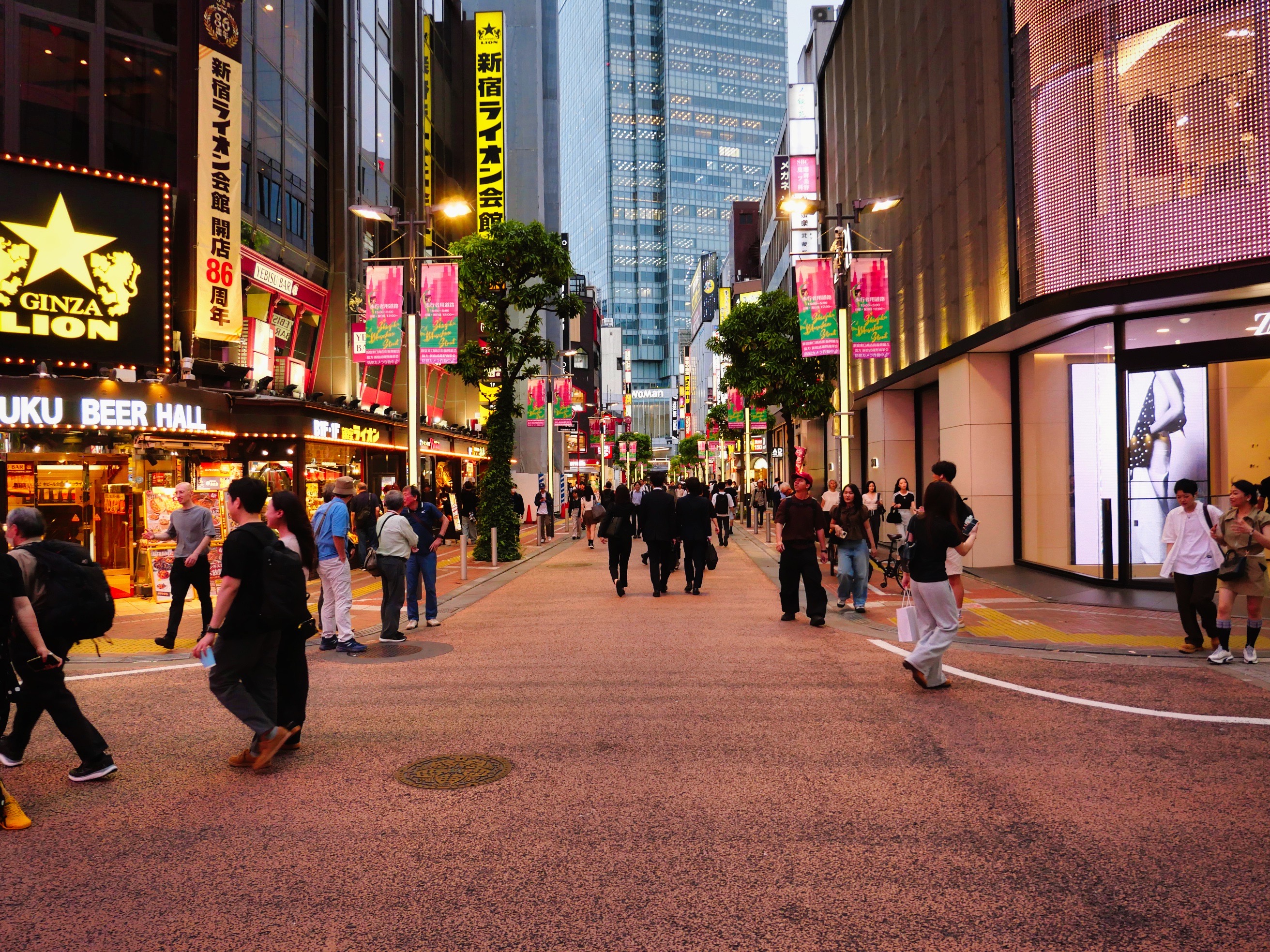
When the sun dips behind Tokyo’s endless skyline, the city awakens in a different light — not softer, but sharper, bolder, electric. Night in Tokyo is not an ending, but a rebirth.

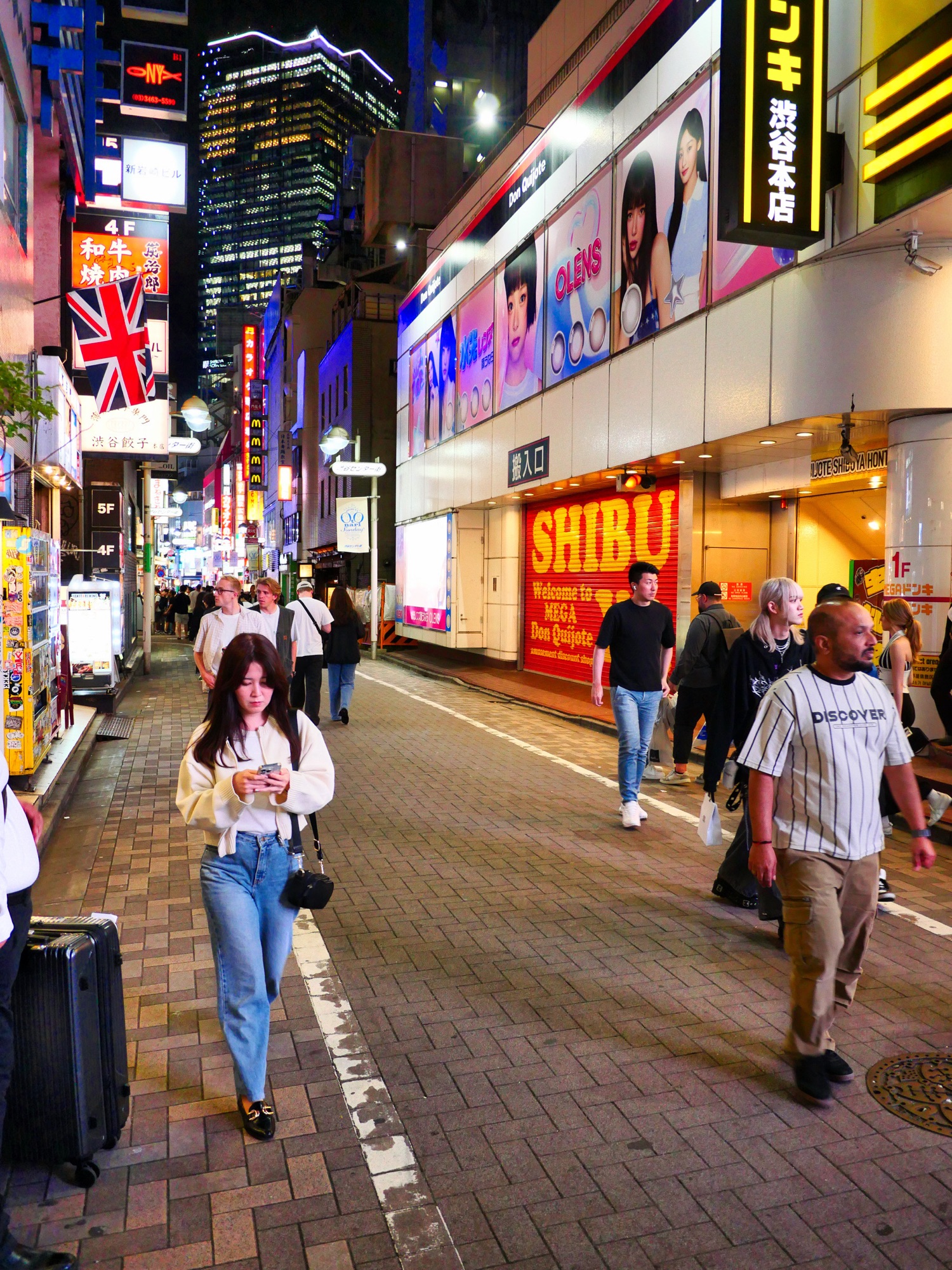
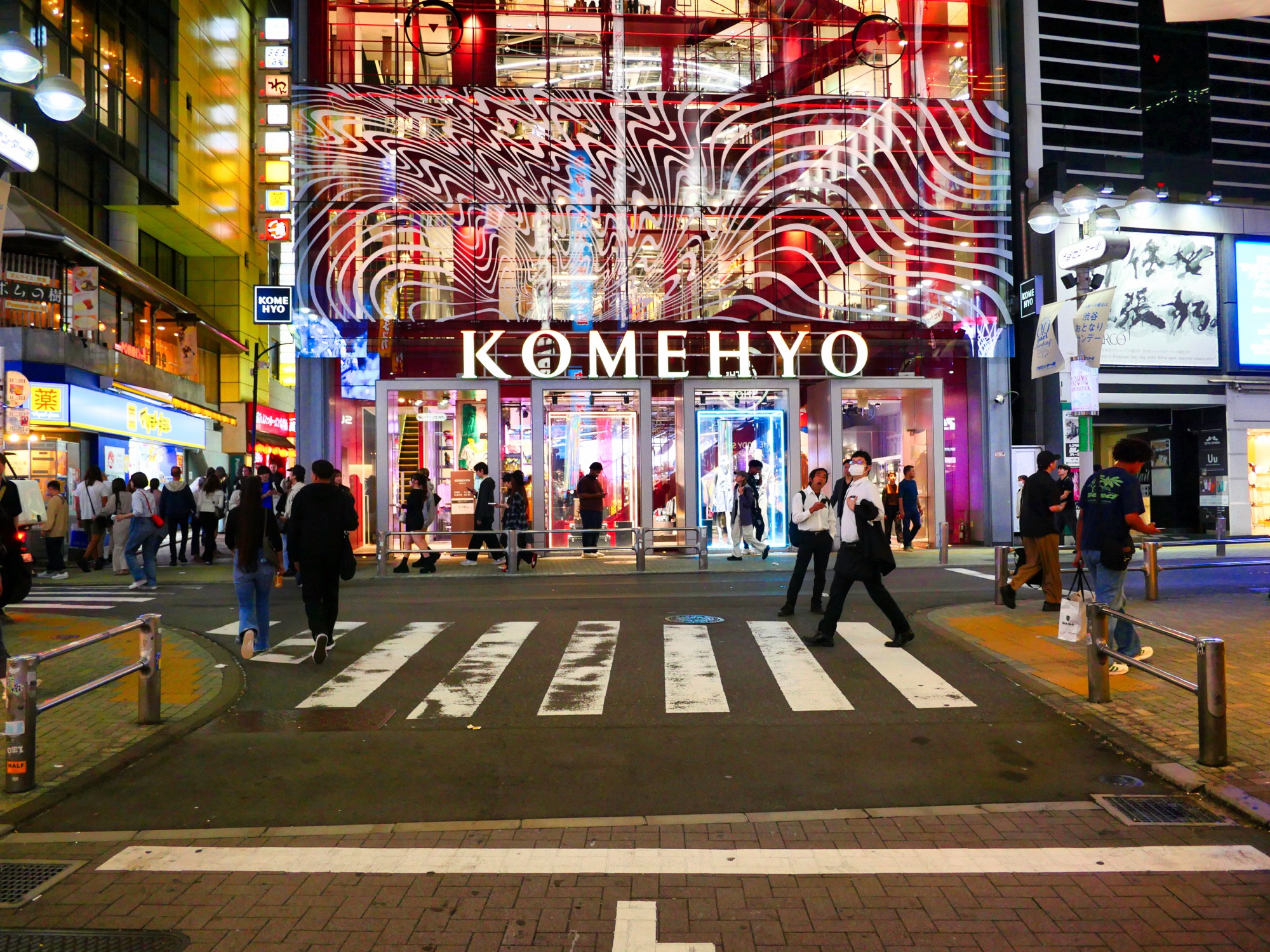
Streets that buzzed with business hours now pulse with neon. In Shibuya, the famous scramble crossing becomes a living organism of lights and footsteps. In Shinjuku, alleys like Omoide Yokocho and Golden Gai overflow with lanterns, laughter, and the scent of grilled skewers. Salarymen, students, artists, and travelers mix under the glow of vending machines and backlit signs.

Tokyo by night is a mosaic of contrasts: the serene beauty of a temple garden lit by moonlight just steps away from an arcade exploding with digital sounds. Pachinko parlors flash wildly beside quiet jazz bars and tiny ramen shops open past midnight. Above it all, the Tokyo Tower and Skytree shine like urban constellations, watching over the sleepless city.

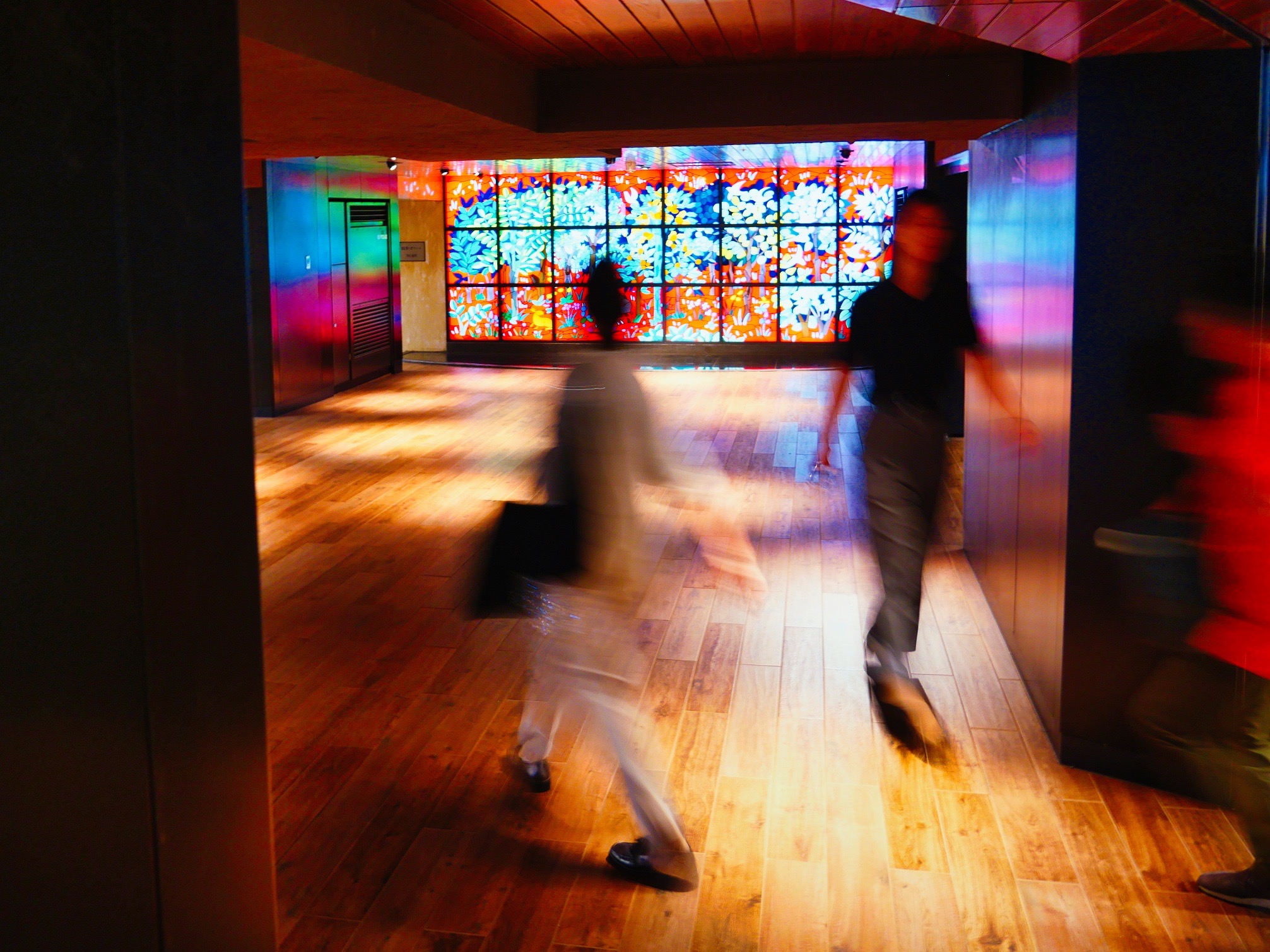
For photographers and wanderers, this is Tokyo’s most vivid self — reflections on rain-slick pavement, hidden bars behind sliding doors, and a rhythm that doesn’t fade but deepens. At night, Tokyo doesn’t sleep. It glows, it sings, it whispers its secrets to anyone willing to explore.


Tokio al anochecer: donde los sueños de neón despiertan

Cuando el sol se esconde tras el infinito horizonte de Tokio, la ciudad despierta con otra luz —no más suave, sino más intensa, audaz, eléctrica. La noche en Tokio no es un final, sino un renacer.

Las calles que zumbaban durante el día ahora laten con neón. En Shibuya, el famoso cruce peatonal se convierte en un organismo vivo de luces y pasos. En Shinjuku, callejones como Omoide Yokocho y Golden Gai se llenan de farolillos, risas y el aroma de brochetas asadas. Oficinistas, estudiantes, artistas y viajeros se mezclan bajo el resplandor de las máquinas expendedoras y los carteles iluminados.

Tokio de noche es un mosaico de contrastes: la belleza serena de un jardín de templo bajo la luna a solo unos pasos de un arcade repleto de sonidos digitales. Las salas de pachinko parpadean junto a bares de jazz silenciosos y pequeños locales de ramen que abren hasta altas horas. Por encima de todo, la Torre de Tokio y la Skytree brillan como constelaciones urbanas, vigilando la ciudad que no duerme.

Para fotógrafos y paseantes, esta es la versión más vívida de Tokio: reflejos sobre el asfalto mojado, bares ocultos tras puertas corredizas, y un ritmo que no se apaga, sino que se profundiza. De noche, Tokio no duerme. Resplandece, canta y susurra sus secretos a quien se atreva a descubrirlos.

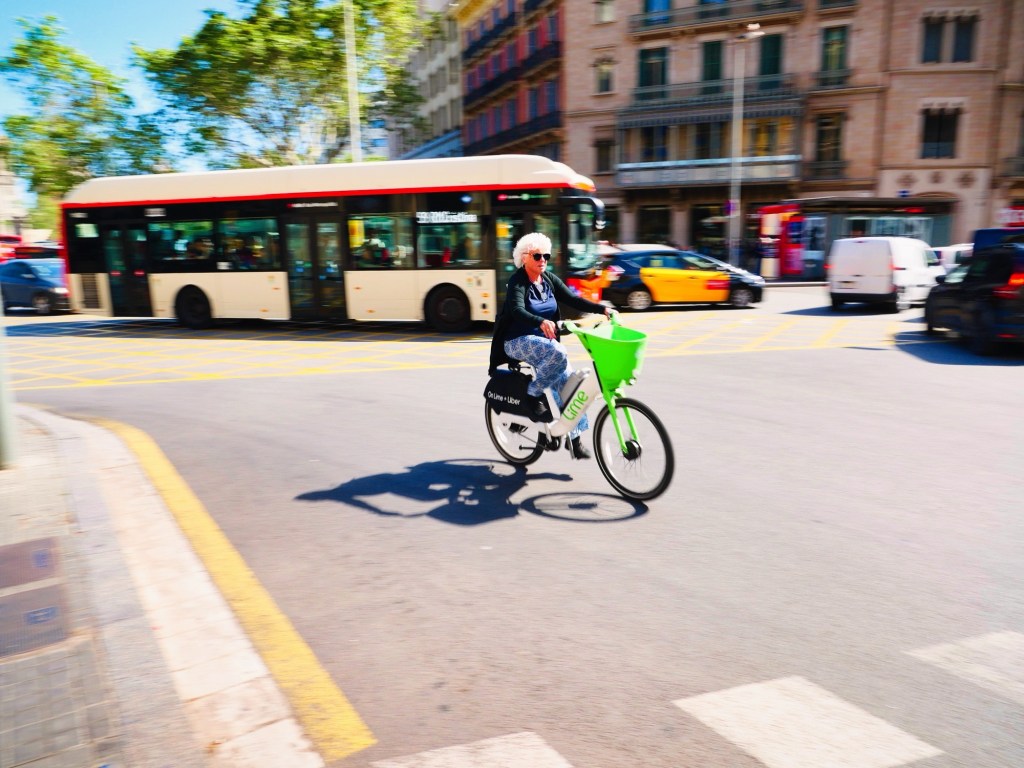
Echoes and Footsteps: The Allure of Barcelona’s Gothic Quarter

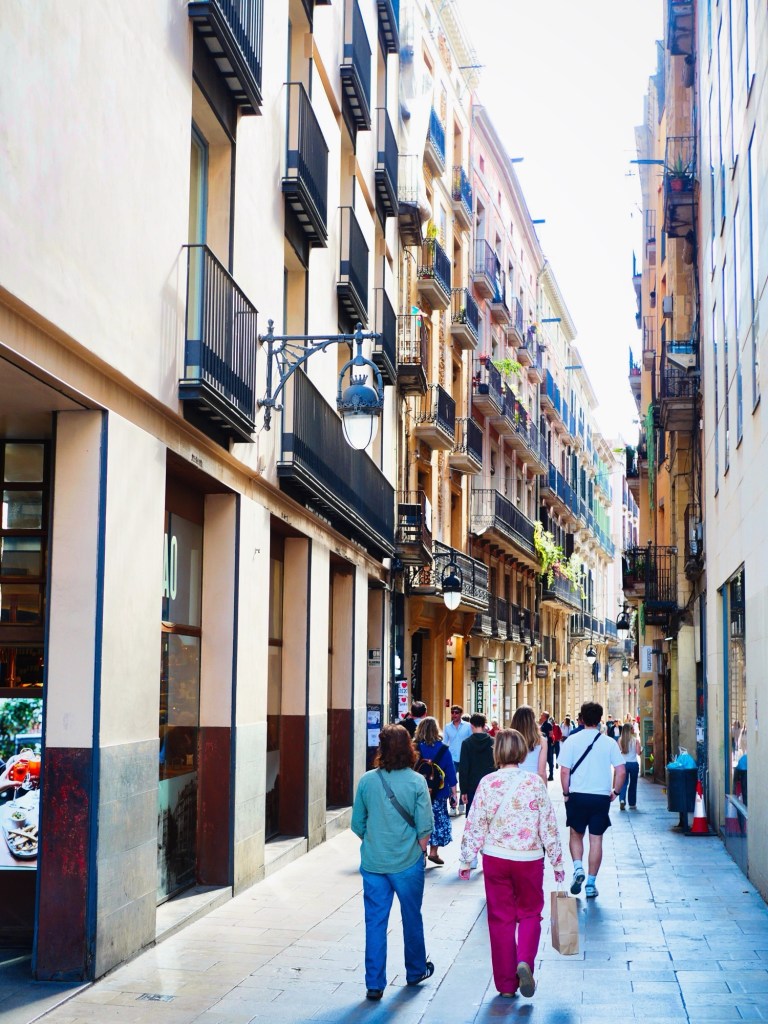
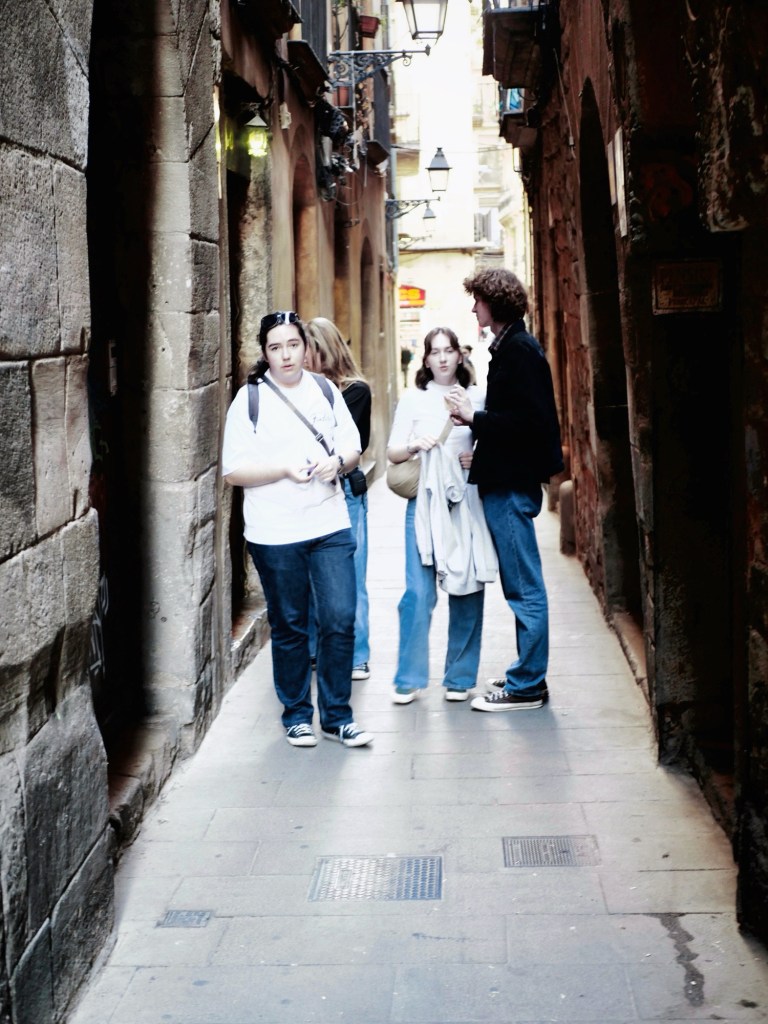
Tucked between the bustling streets of modern Barcelona lies a labyrinth of stone and shadow — the Gothic Quarter. With its narrow alleys, medieval arches, and whispering plazas, this neighborhood feels like a dream carved in stone. And every year, millions of travelers come chasing that dream.

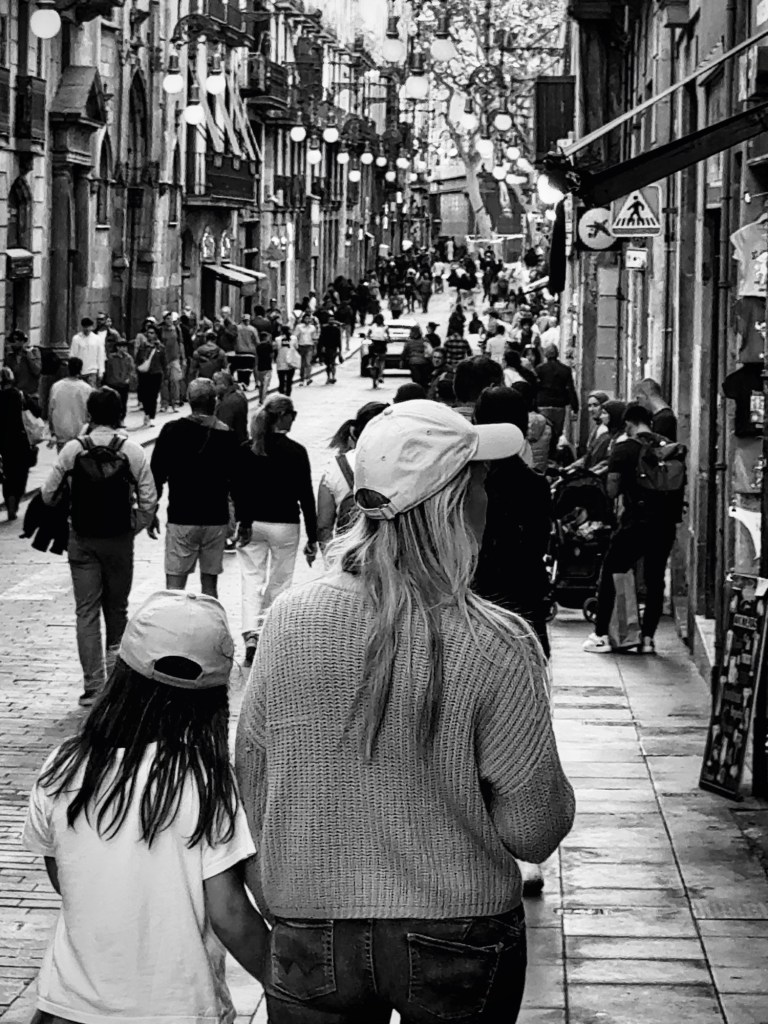
Tourists flood its corridors daily, drawn by the magic of history wrapped in mystery. They pause under the soaring spires of the Barcelona Cathedral, trace the Roman walls, and wander through the echoing streets where light flickers like a secret. The steps of ancient kings, the songs of troubadours, and the pulse of the old city still seem to vibrate under the surface.

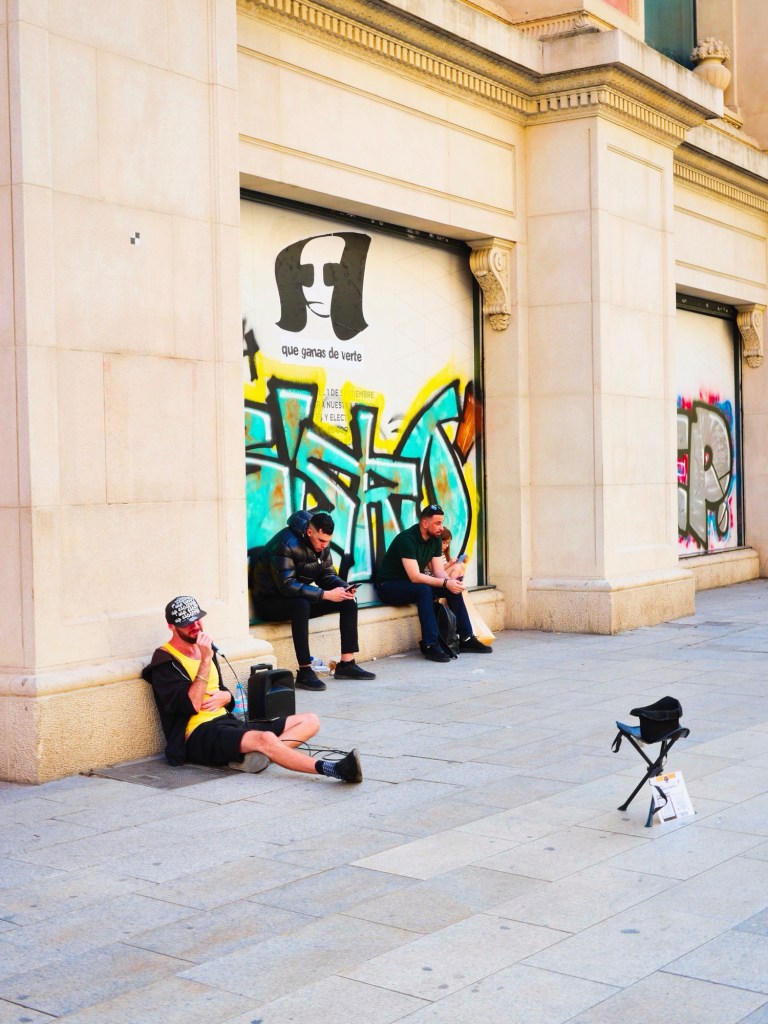
Cafés overflow onto cobblestone corners. Street performers fill Plaça Reial with flamenco and jazz. Cameras flash under the Pont del Bisbe, one of the most photographed spots in the city. It is chaos and charm, past and present in perpetual conversation.

Yet despite the crowds, the Gothic Quarter holds its soul. Wake early, before the tour groups arrive, and you’ll hear the silence behind the stone — the hush of centuries watching quietly. In those moments, you understand why this place draws so many feet year after year: it doesn’t just tell a story, it breathes one.


Ecos y pasos: el encanto del Barrio Gótico de Barcelona

Entre las arterias vibrantes de la Barcelona moderna se esconde un laberinto de piedra y sombra: el Barrio Gótico. Con sus callejones estrechos, arcos medievales y plazas que susurran historia, este rincón parece un sueño tallado en piedra. Y cada año, millones de visitantes acuden tras ese sueño.

Los turistas llenan sus calles a diario, atraídos por la magia de un pasado envuelto en misterio. Se detienen bajo las agujas de la Catedral de Barcelona, acarician con la vista los restos de las murallas romanas y deambulan por callejuelas donde la luz parpadea como un secreto. Los pasos de antiguos reyes, las canciones de trovadores y el latido de la ciudad vieja aún resuenan bajo la superficie.

Los cafés desbordan en las esquinas adoquinadas. Músicos callejeros llenan la Plaça Reial de flamenco y jazz. Las cámaras se disparan bajo el Pont del Bisbe, uno de los rincones más fotografiados de la ciudad. Es caos y encanto, pasado y presente dialogando sin pausa.

Y sin embargo, el Barrio Gótico conserva su alma. Si madrugas, antes de que lleguen los grupos turísticos, escucharás el silencio tras la piedra: el susurro de siglos observando en calma. Entonces comprendes por qué tantos pies vuelven aquí, año tras año: este lugar no solo cuenta una historia, la respira.

The Solitude of Our Wired Souls

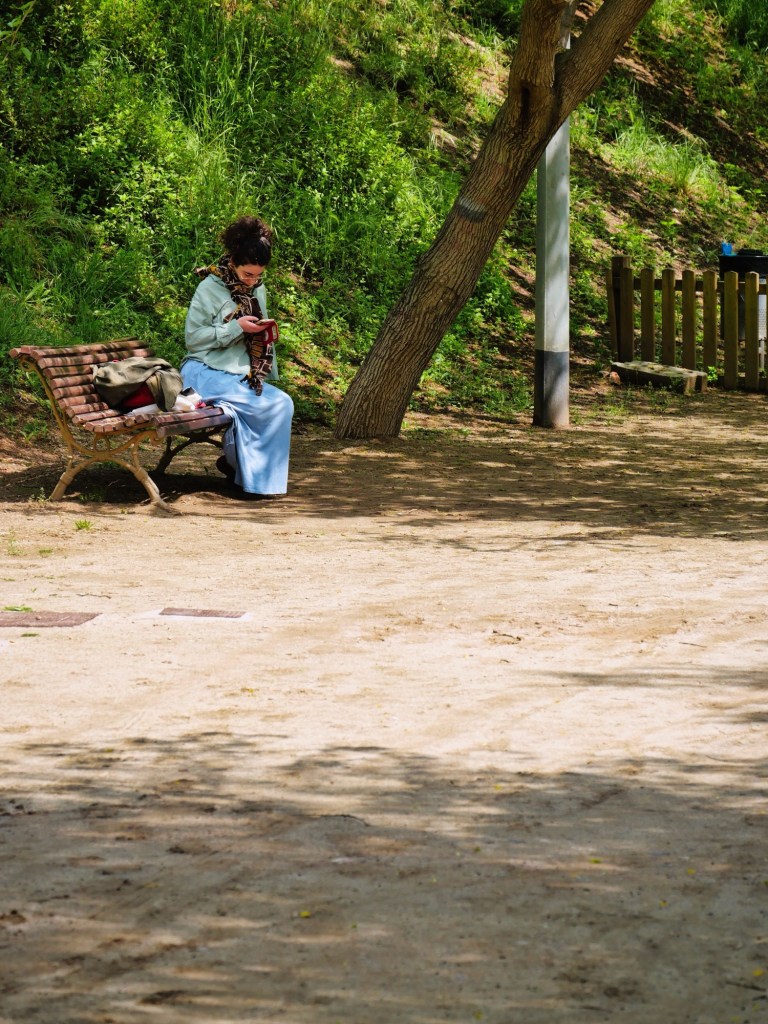
In the age of luminous screens and ceaseless notifications, we are draped in the illusion of connection. Fingers dance across glass, messages fly like swallows through invisible air, and the world seems to whisper at our beck and call. Yet beneath the hum of modems and the glow of midnight pixels, a quieter truth unfolds: we are lonelier than ever.

Once, solitude was a silence shared with trees, a contemplation at the edge of a river, the soft murmur of one’s own thoughts. Now, it arrives wrapped in the clamor of likes and the hollow echoes of scrolling feeds. Surrounded by avatars and curated smiles, the soul starves for presence — for a voice not mediated by code, for eyes that meet and hold, not flicker and swipe away.

We write to each other in bursts of abbreviations, our hearts compressed into symbols and emojis, desperate for understanding, yet fearful of depth. Loneliness wears a mask now — glossy, connected, smiling. But behind it, the ache remains, unchanged by the convenience of constant reach.

How strange, that in a world more linked than ever, the thread of true intimacy unravels.

Perhaps the antidote is not less technology, but more humanity — a return to the sacred art of listening, of being, of sitting still beside another soul without a screen between. For in that fragile, unfiltered space, solitude might finally find its twin: not another notification, but a real, breathing presence.

And maybe then, we’ll remember how to be alone, together.

La soledad de nuestras almas conectadas

En la era de las pantallas luminosas y las notificaciones incesantes, vivimos envueltos en la ilusión de la conexión. Los dedos bailan sobre el cristal, los mensajes vuelan como golondrinas por el aire invisible, y el mundo parece susurrarnos al alcance de la mano. Pero bajo el zumbido de los módems y el resplandor de los píxeles nocturnos, se despliega una verdad más callada: estamos más solos que nunca.

Antes, la soledad era un silencio compartido con los árboles, una contemplación al borde de un río, el suave murmullo de los propios pensamientos. Hoy llega envuelta en el clamor de los “me gusta” y en los ecos huecos de los contenidos que se deslizan sin fin. Rodeados de avatares y sonrisas cuidadosamente editadas, el alma se muere de hambre por una presencia real —por una voz que no esté mediada por un código, por unos ojos que miren y permanezcan, no que parpadeen y se desvanezcan.

Nos escribimos en ráfagas de abreviaturas, con corazones comprimidos en símbolos y emojis, desesperados por comprensión, pero temerosos de la profundidad. La soledad ahora lleva máscara —brillante, conectada, sonriente. Pero tras ella, el dolor persiste, intacto ante la comodidad de estar siempre “al alcance”.

Quizá el antídoto no sea menos tecnología, sino más humanidad —volver al arte sagrado de escuchar, de estar, de sentarse en silencio junto a otra alma sin una pantalla entre ambos. Porque en ese espacio frágil y sin filtros, la soledad tal vez encuentre a su gemela: no otra notificación, sino una presencia real y viva.
Y quizá entonces, recordemos cómo estar solos, juntos.
Costa Brava: Spain’s Mediterranean Paradise

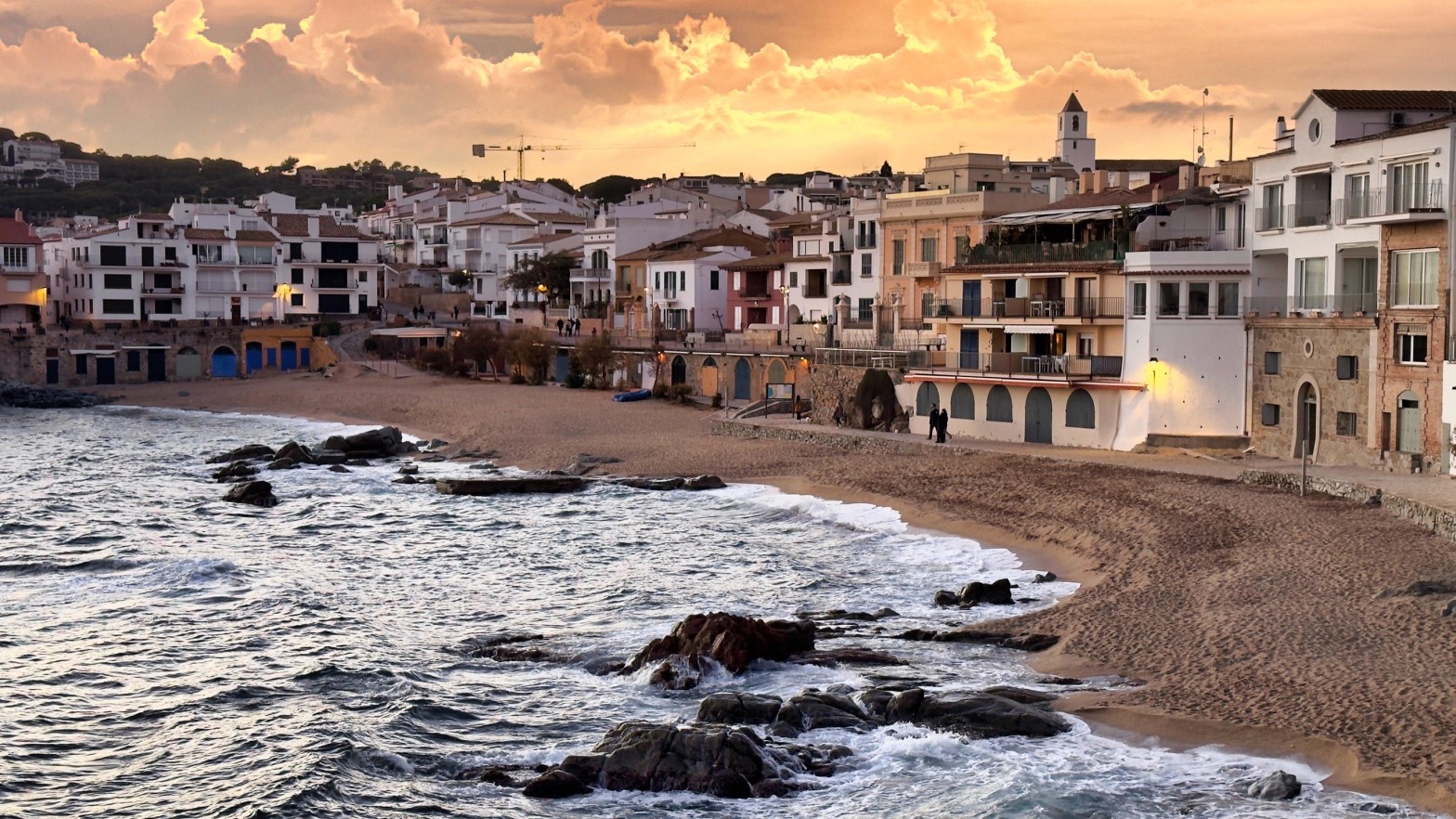
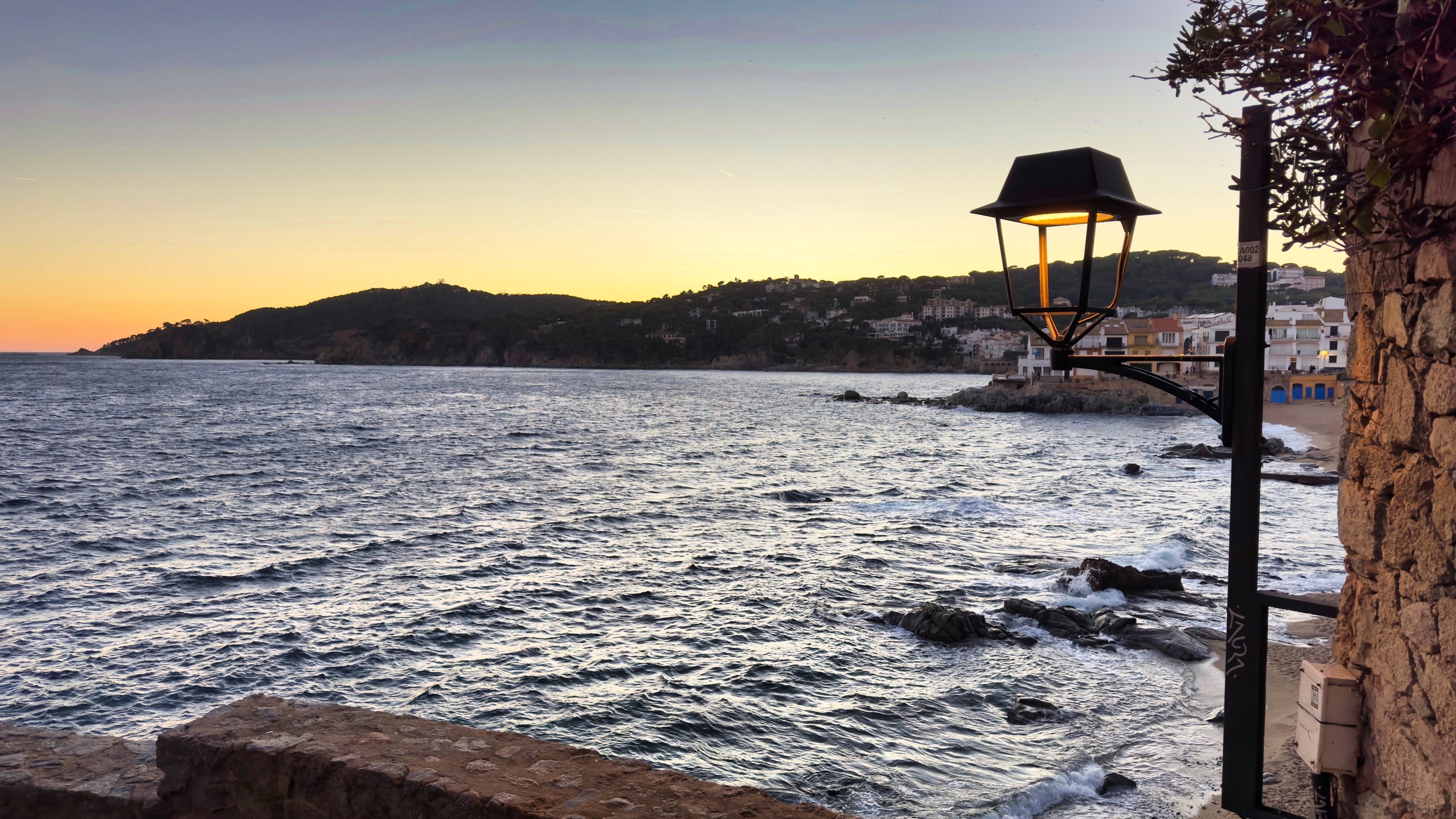
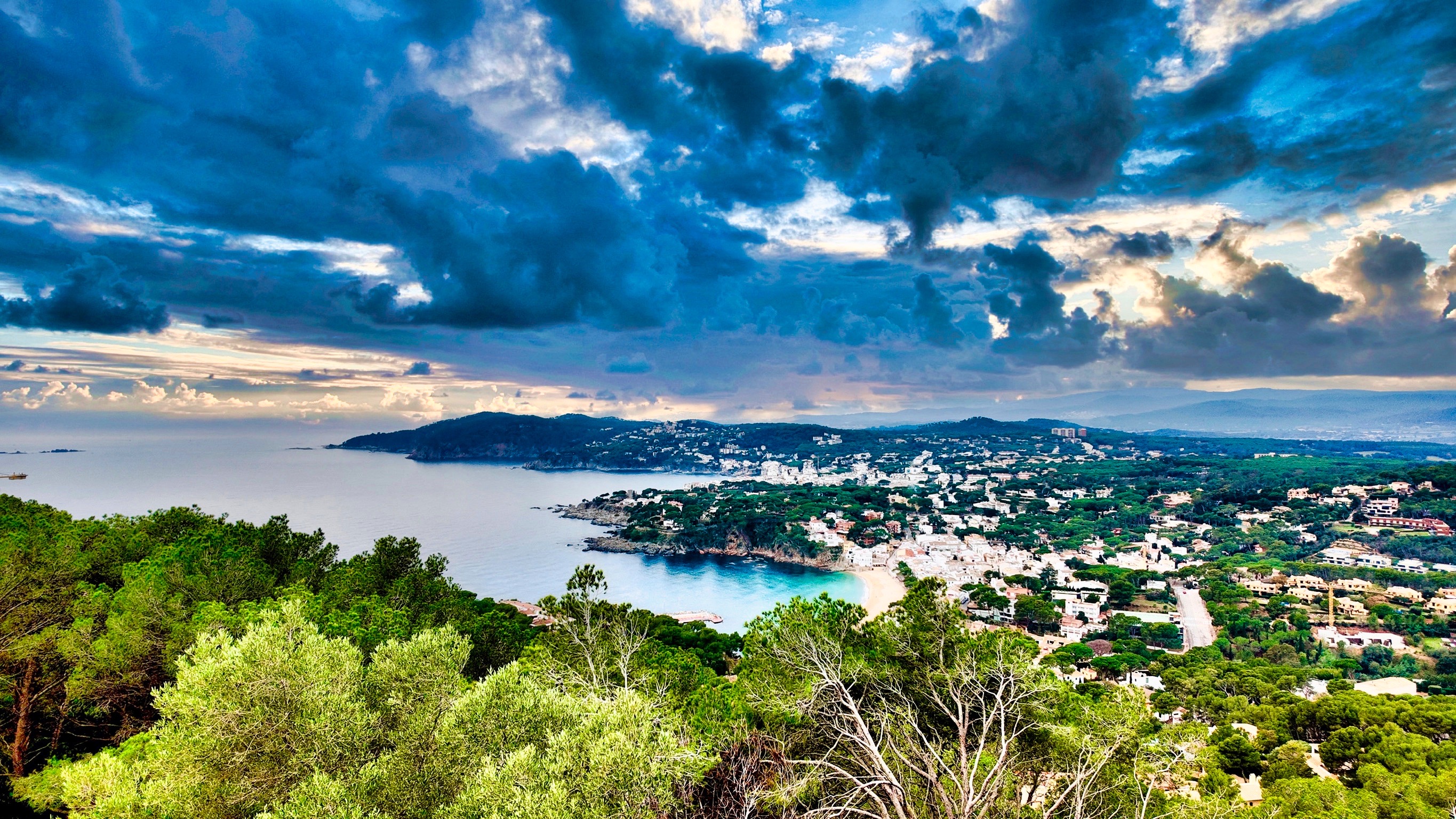
Costa Brava, located in northeastern Spain, is a breathtaking coastal region stretching from Blanes to the French border. With its crystal-clear waters, rugged cliffs, and charming villages, it’s one of the most stunning destinations in the Mediterranean.

This region of Catalonia is famous for its picturesque beaches and coves, many of which are hidden between dramatic rock formations. Popular spots like Tossa de Mar and Calella de Palafrugell offer golden sands and turquoise waters, perfect for relaxation and water activities. The scenic Camí de Ronda coastal trail allows visitors to explore the coastline’s natural beauty on foot.
Beyond its stunning beaches, Costa Brava is rich in history and culture. Medieval towns such as Pals and Peratallada transport visitors back in time with their cobblestone streets and ancient stone buildings. The region is also closely linked to Salvador Dalí, with the Dalí Theatre-Museum in Figueres being a must-visit for art lovers.

Food enthusiasts will delight in Costa Brava’s world-renowned gastronomy, which features fresh seafood, traditional Catalan dishes, and Michelin-starred restaurants. The local wines from the Empordà region perfectly complement the area’s exquisite cuisine.

Whether you’re looking for adventure, culture, or relaxation, Costa Brava has something for everyone. Its unique blend of natural beauty, history, and Mediterranean charm makes it an unforgettable destination.


Costa Brava: El paraíso mediterráneo de España

La Costa Brava, situada en el noreste de España, es una impresionante región costera que se extiende desde Blanes hasta la frontera con Francia. Con sus aguas cristalinas, acantilados escarpados y encantadores pueblos, es uno de los destinos más espectaculares del Mediterráneo.

Esta región de Cataluña es famosa por sus pintorescas playas y calas, muchas de ellas escondidas entre formaciones rocosas impresionantes. Lugares populares como Tossa de Mar y Calella de Palafrugell ofrecen arenas doradas y aguas turquesas, perfectas para el descanso y las actividades acuáticas. El pintoresco sendero costero Camí de Ronda permite a los visitantes explorar la belleza natural del litoral a pie.

Más allá de sus hermosas playas, la Costa Brava tiene una gran riqueza histórica y cultural. Pueblos medievales como Pals y Peratallada transportan a los visitantes a otra época con sus calles adoquinadas y antiguas construcciones de piedra. La región también está estrechamente vinculada a Salvador Dalí, y el Teatro-Museo Dalí en Figueres es una visita obligada para los amantes del arte.

Los aficionados a la gastronomía disfrutarán de la reconocida cocina de la Costa Brava, que incluye mariscos frescos, platos tradicionales catalanes y restaurantes con estrellas Michelin. Los vinos locales de la región del Empordà son el complemento perfecto para su exquisita gastronomía.

Ya sea que busques aventura, cultura o relajación, la Costa Brava tiene algo para todos. Su combinación única de belleza natural, historia y encanto mediterráneo la convierte en un destino inolvidable.

From Madrid to Tokyo: A Journey Across Time and Sky

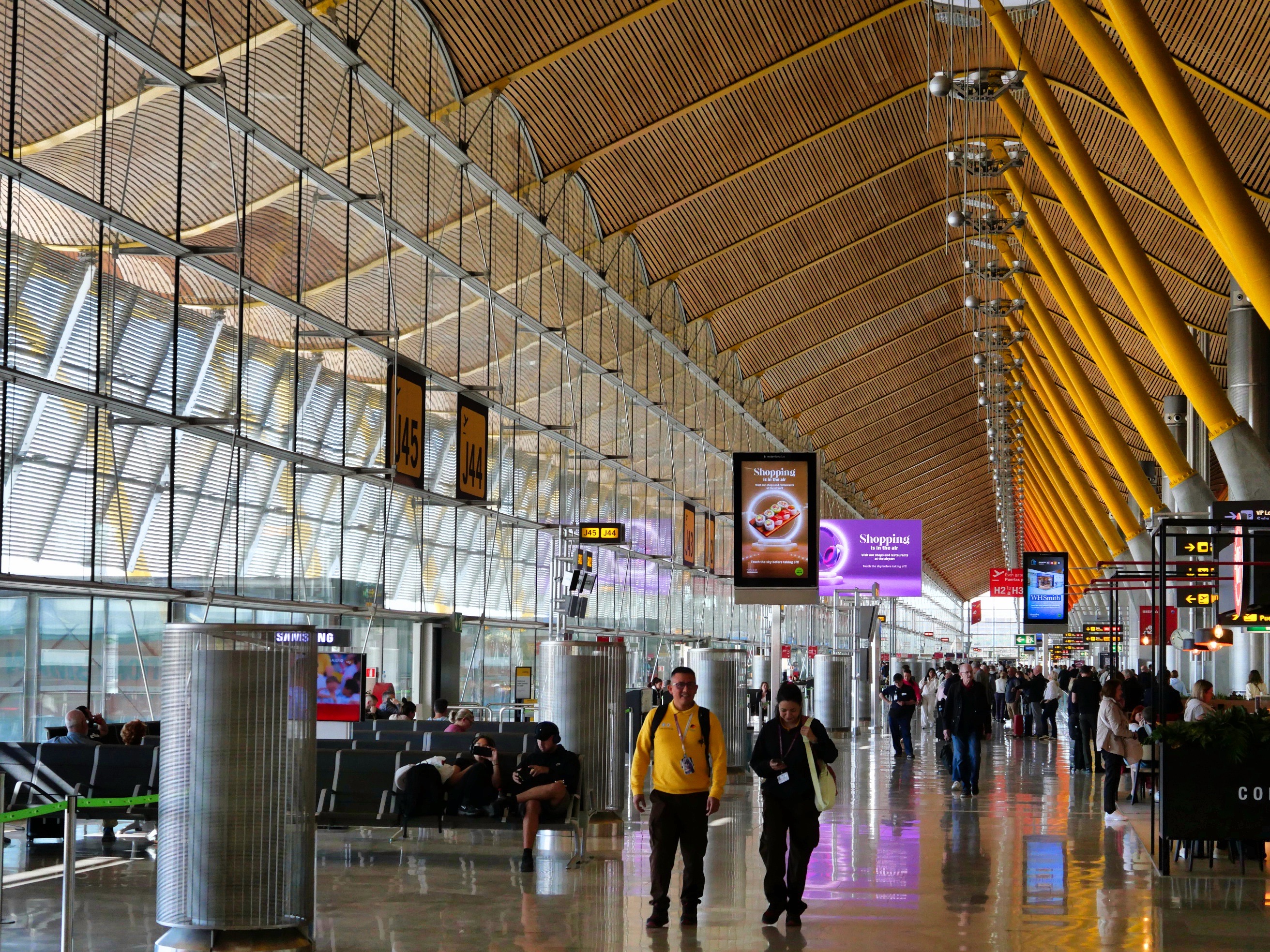
There is something profoundly transformative about flying from Madrid to Tokyo. It’s not just the distance—nearly 11,000 kilometers across continents and oceans—but the sensation of stepping from one world into another. You leave behind the warm, golden light of Spain, the scent of olive oil and coffee lingering in narrow alleys. And then, hours later, you emerge into the electric heartbeat of Tokyo: neon-lit nights, the precision of a bow, the hush of a bamboo forest echoing through concrete towers.

The flight itself becomes a kind of liminal space. Time stretches and warps—meals served at odd hours, cabin lights dimming against the logic of local clocks. Somewhere over Siberia or the Arctic, the sky becomes a canvas of silent blues and silvers, and you realize you’re floating between worlds, not quite here or there.

For travelers, this journey is more than just transit; it’s metamorphosis. You arrive in Tokyo not simply jet-lagged, but subtly reshaped. The contrast between cultures sharpens your senses. You notice how silence can speak louder than words, how order and chaos dance together in a single subway station, and how every corner holds the potential for wonder.

Flying from Madrid to Tokyo is not just about covering distance—it’s about expanding perception. It is a journey that begins with curiosity and ends in awe, a flight not only across the globe, but into the extraordinary.


De Madrid a Tokio: un viaje a través del tiempo y el cielo

Hay algo profundamente transformador en volar desde Madrid a Tokio. No se trata solo de la distancia —casi 11.000 kilómetros a través de continentes y océanos—, sino de la sensación de pasar de un mundo a otro. Dejas atrás la luz dorada de España, el aroma a aceite de oliva y café que flota en callejuelas estrechas. Y, horas más tarde, emerges en el corazón eléctrico de Tokio: noches bañadas en neón, la precisión de una reverencia, el susurro de un bosque de bambú que resuena entre torres de hormigón.

El vuelo en sí se convierte en un espacio liminal. El tiempo se estira y se deforma: comidas servidas a horas improbables, luces que se atenúan desafiando la lógica de los relojes locales. En algún punto sobre Siberia o el Ártico, el cielo se vuelve un lienzo de azules y plateados silenciosos, y comprendes que estás flotando entre mundos, sin estar del todo aquí ni allá.

Para los viajeros, este trayecto es más que un simple traslado; es una metamorfosis. Llegas a Tokio no solo con jet lag, sino sutilmente transformado. El contraste entre culturas agudiza los sentidos. Notas cómo el silencio puede hablar más que las palabras, cómo el orden y el caos bailan juntos en una estación de metro, y cómo cada rincón encierra una promesa de asombro.

Volar de Madrid a Tokio no es solo cubrir una distancia: es ampliar la percepción. Es un viaje que comienza con curiosidad y termina en maravilla.

Whispers of May: Tokyo in Bloom

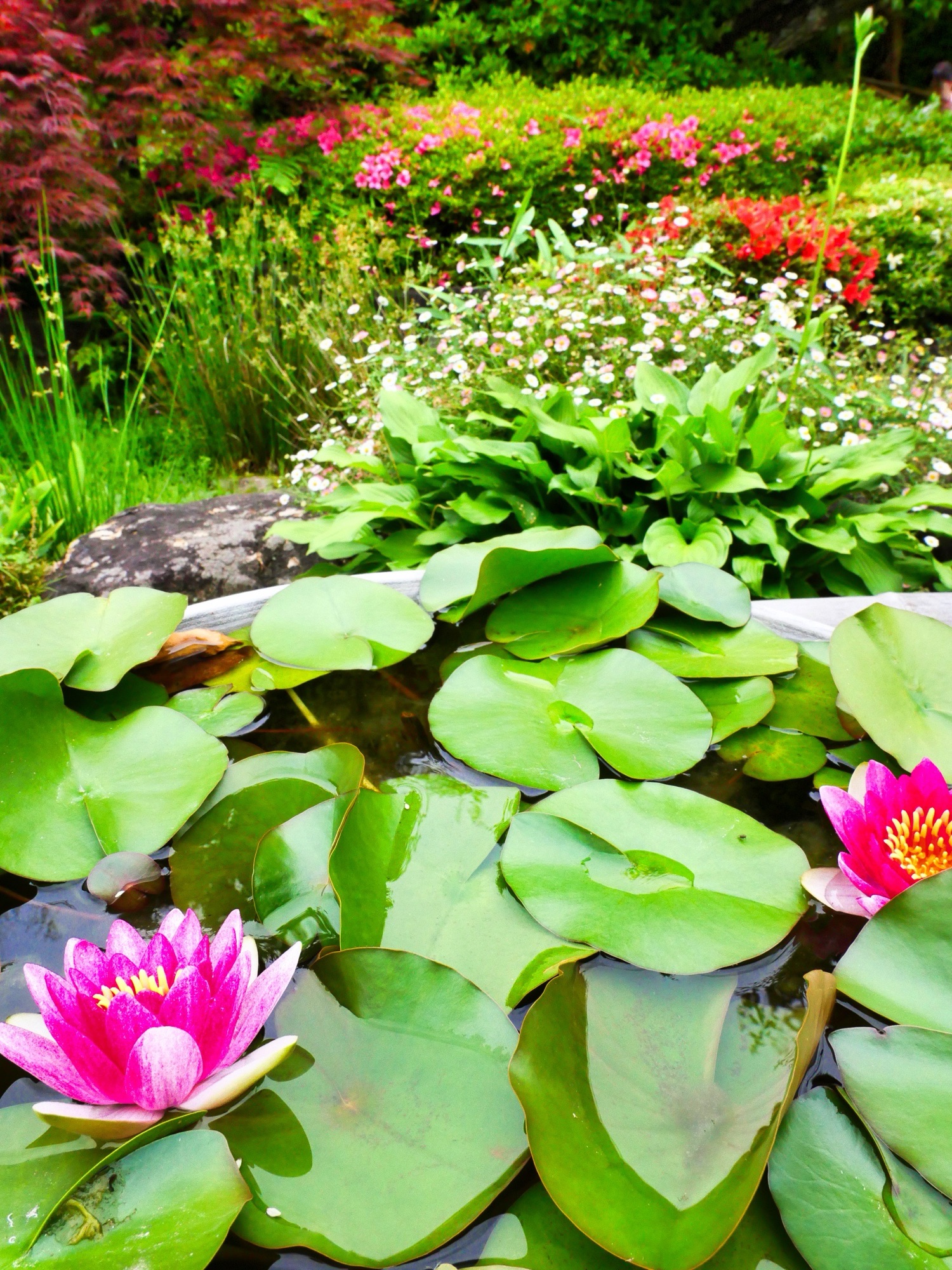
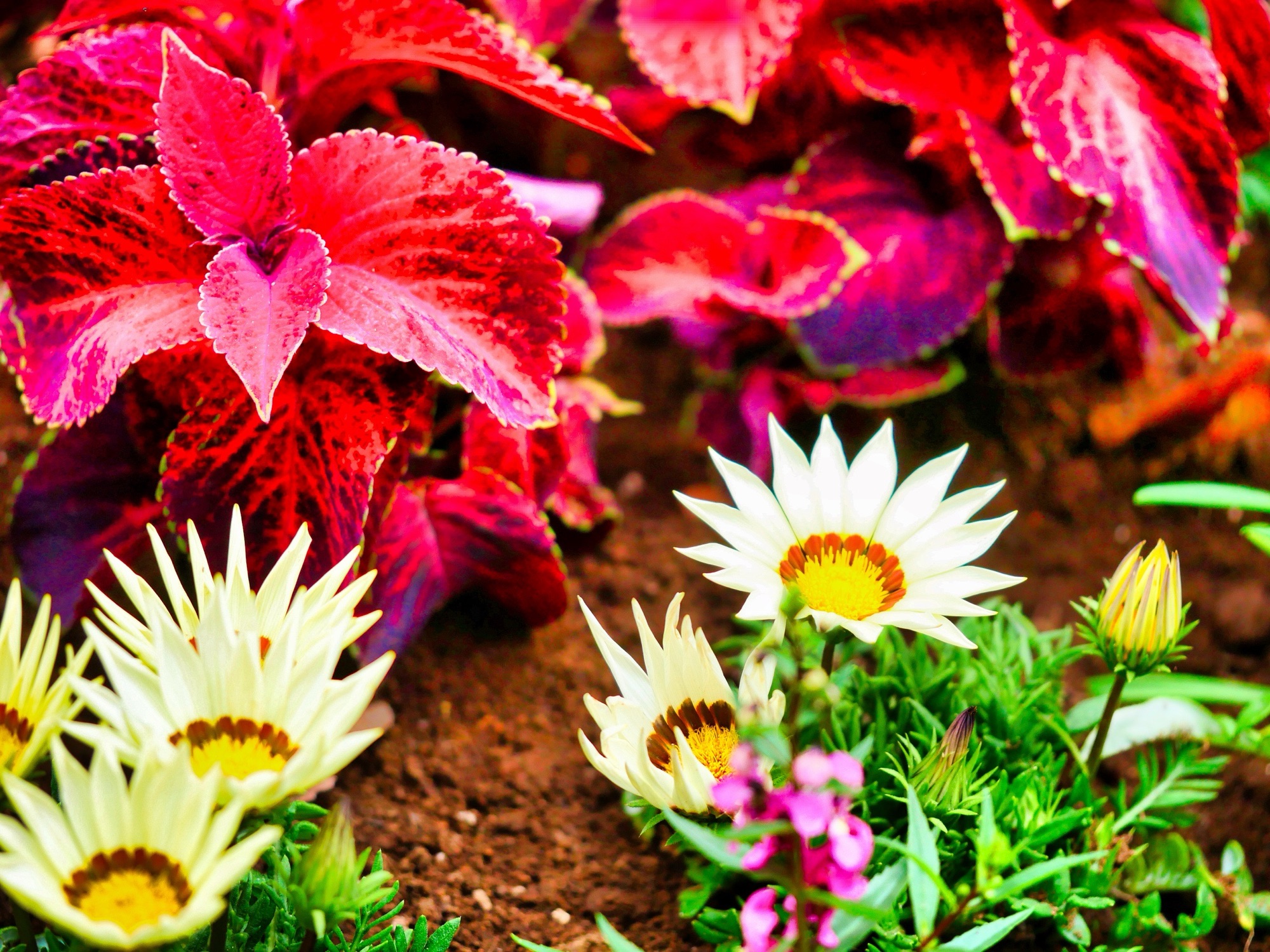
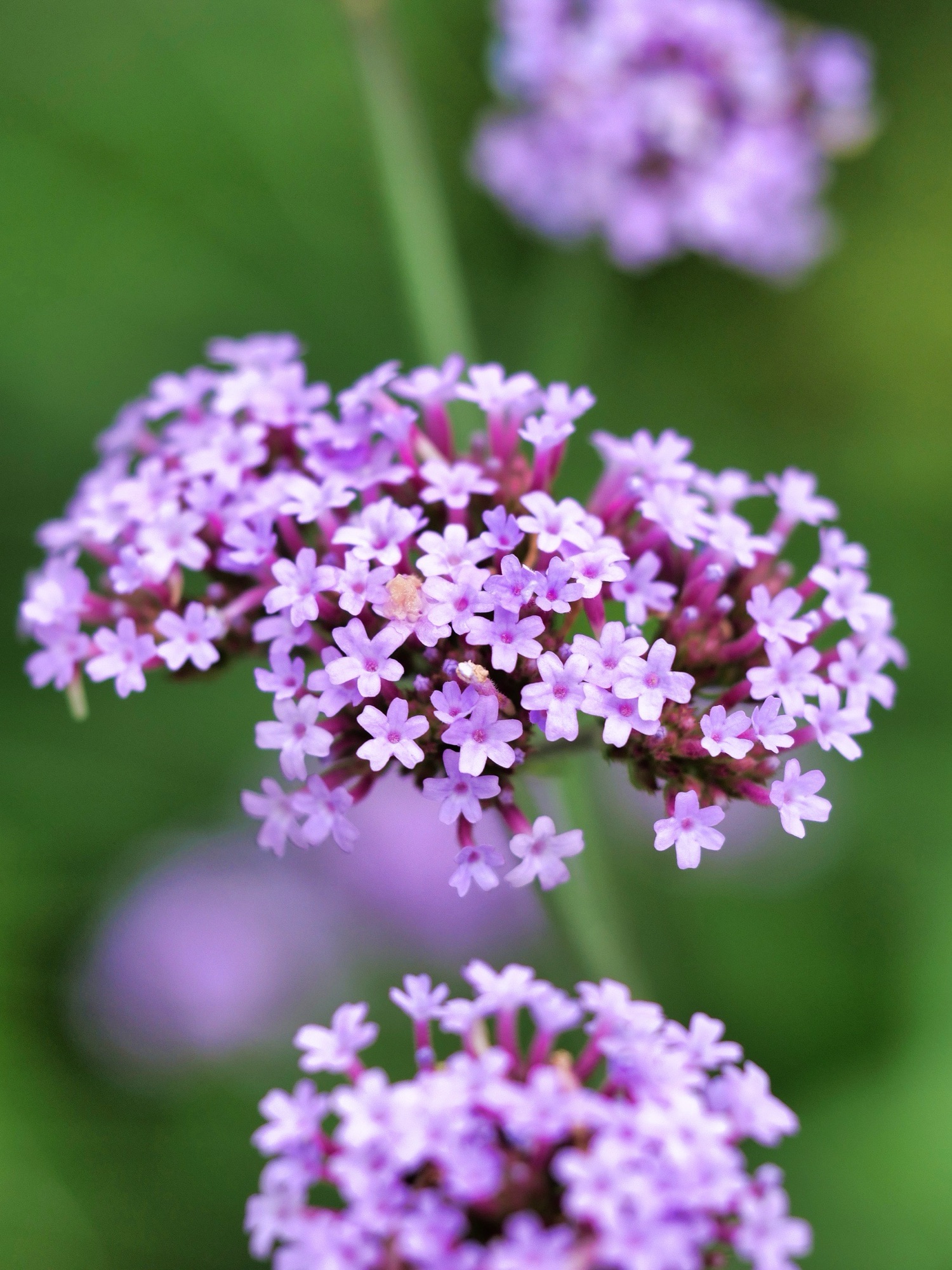
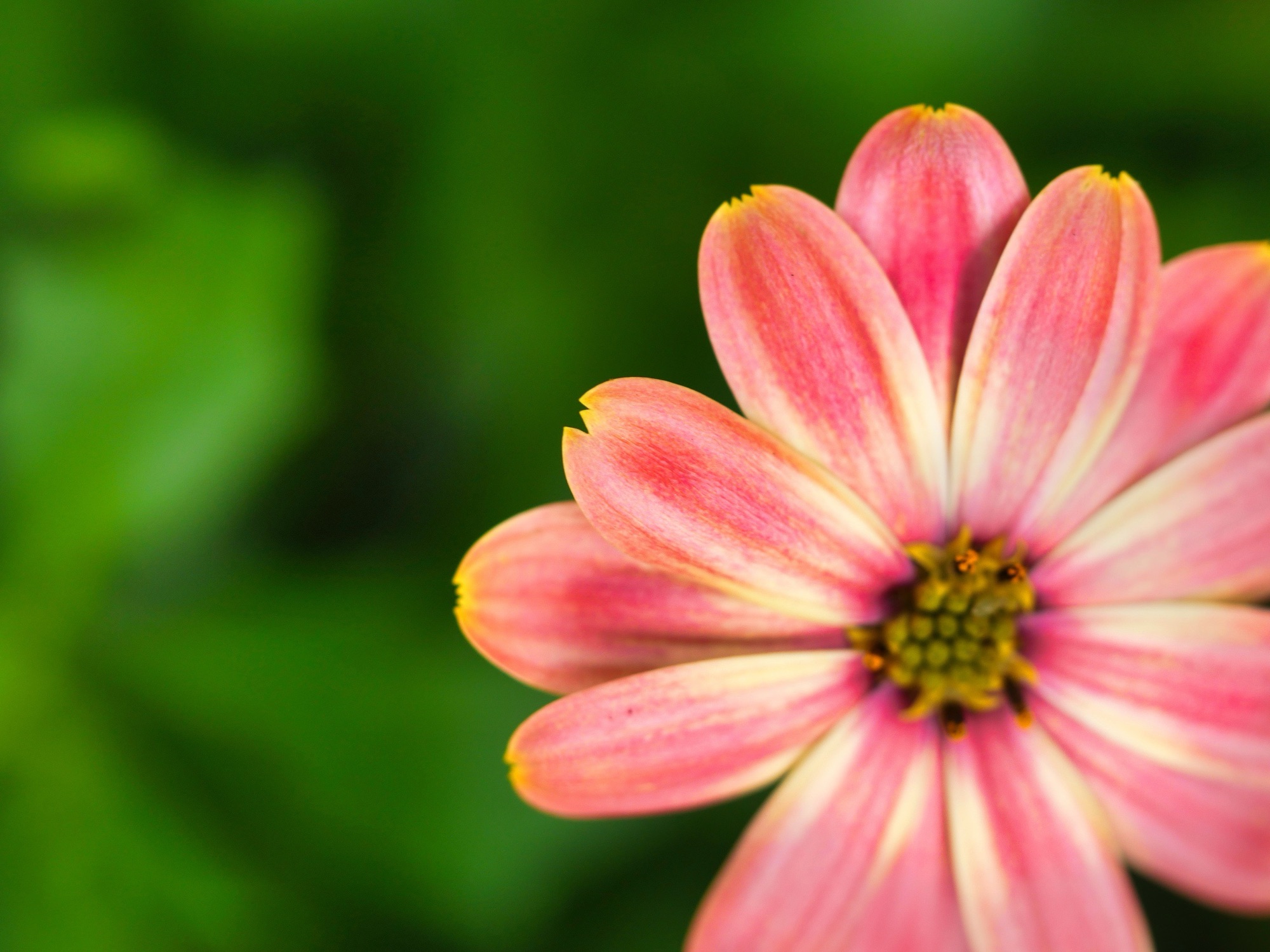
In the heart of May, Tokyo transforms into a painter’s dream — a vibrant fusion of petals, light, and breeze. While cherry blossoms have faded into memory by this time, the city continues to flourish with a quieter, more varied beauty that reveals itself in parks, temple gardens, and along everyday sidewalks.

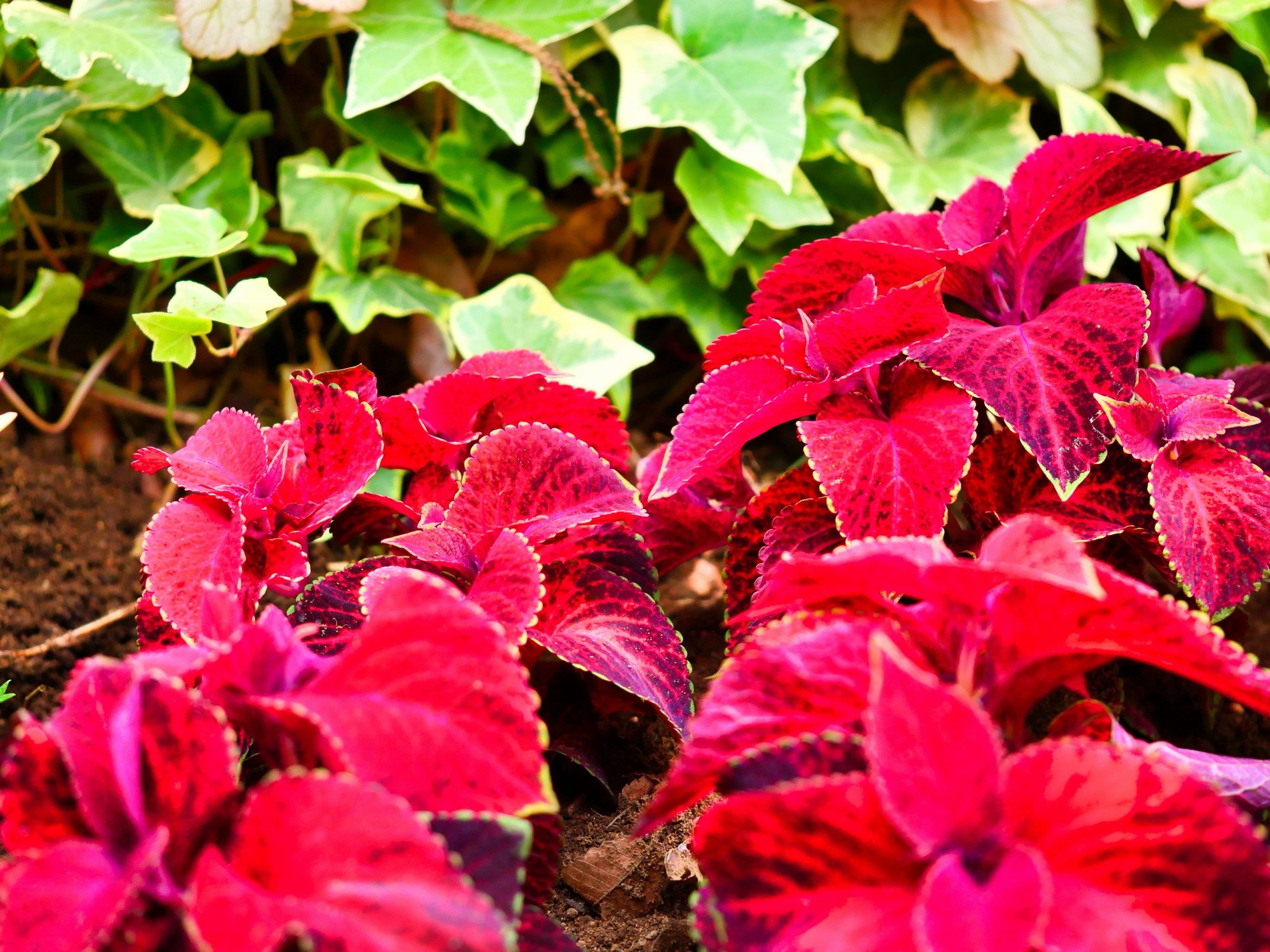
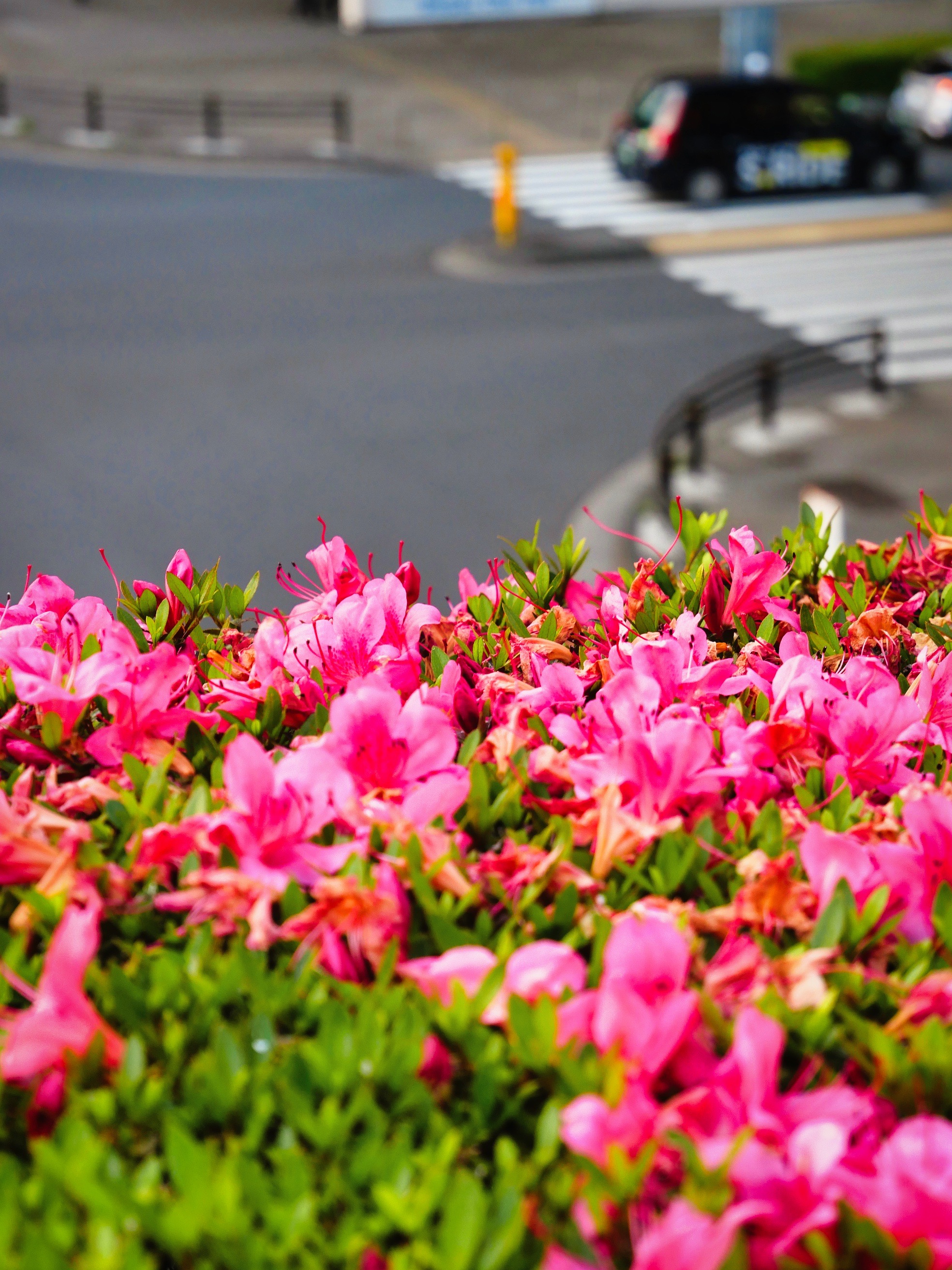
Azaleas are the stars of early May, bursting in fiery shades of pink, red, and white across the city. Shinjuku Gyoen, Nezu Shrine, and Ueno Park become living tapestries of color. Their blossoms are dense and vivid, inviting close-up photography and long walks beneath their blazing clusters.

Soon after, irises take the stage. Meiji Shrine’s inner garden and the Imperial Palace’s East Garden are home to elegant purple and blue blooms, dancing in the breeze with regal poise. Meanwhile, wisteria still lingers in some corners, draping trellises with cascades of lilac light.

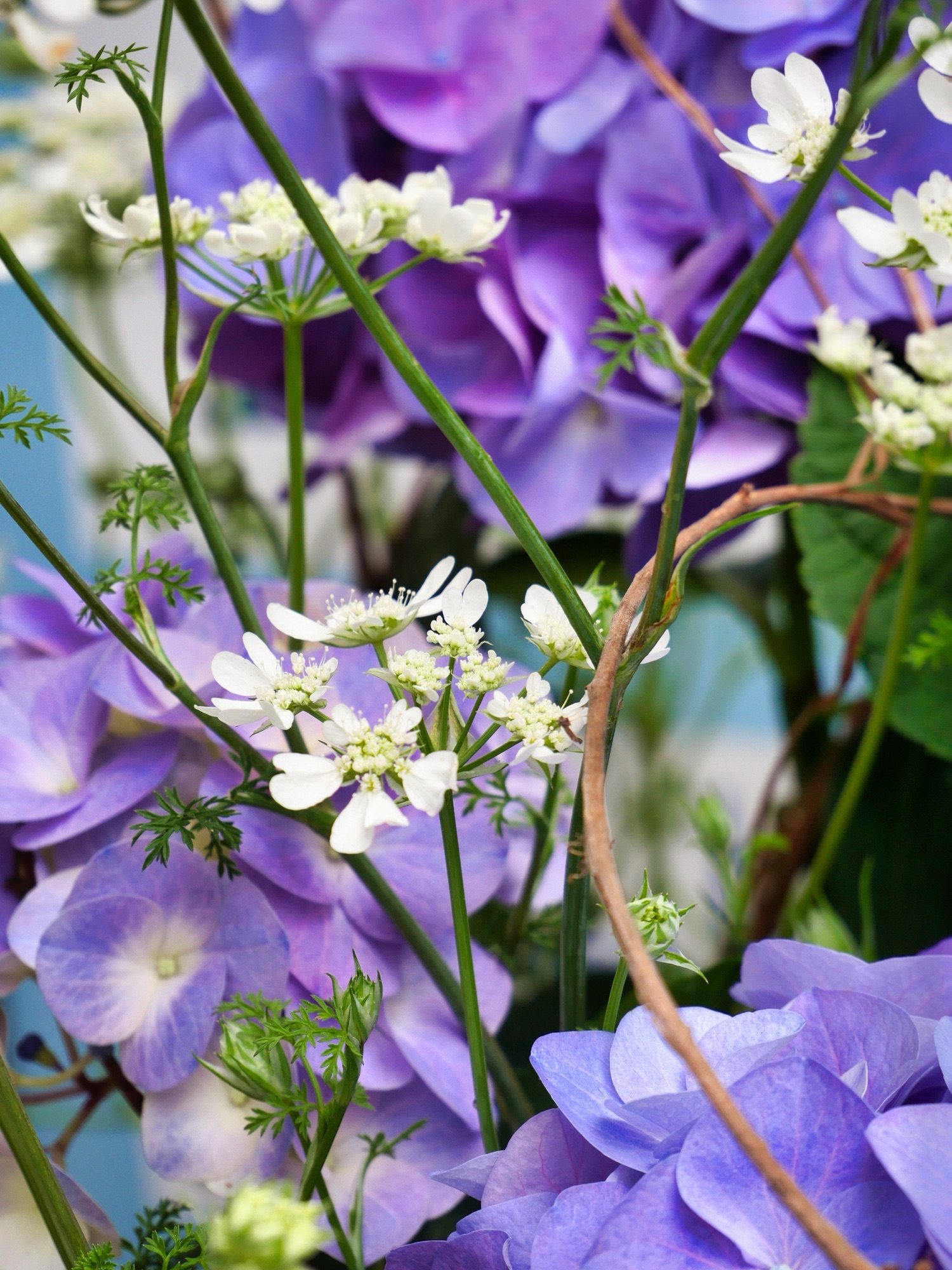
May’s floral palette also includes delicate roses in Jindai Botanical Garden and the peaceful petals of hydrangeas beginning to stir. Every stroll becomes an unexpected encounter with color and form — nature’s quiet reminder that beauty thrives in subtle transitions.

For photographers, May in Tokyo is a gentle invitation: pack your camera, follow the floral trails, and capture the city’s soft rebirth after sakura season. Because in these fragrant moments, Tokyo doesn’t shout — it whispers. And if you listen closely, it speaks in blossoms.


Susurros de mayo: Tokio florece

En pleno mes de mayo, Tokio se transforma en el sueño de un pintor: una fusión vibrante de pétalos, luz y brisa. Aunque los cerezos en flor ya han quedado atrás, la ciudad sigue floreciendo con una belleza más silenciosa y diversa, que se revela en parques, jardines de templos y hasta en las aceras más comunes.

Las azaleas son las protagonistas a principios de mayo, estallando en tonos encendidos de rosa, rojo y blanco. Shinjuku Gyoen, el santuario Nezu y el parque Ueno se convierten en tapices vivientes de color. Sus flores densas y vivas invitan a la fotografía de cerca y a los paseos bajo sus racimos ardientes.

Poco después, las irises toman el relevo. El jardín interior del santuario Meiji y el Jardín Este del Palacio Imperial albergan estas flores de tonos púrpura y azul, que bailan con elegancia al viento. Mientras tanto, las glicinas aún sobreviven en algunos rincones, cubriendo pérgolas con cascadas de luz lila.

La paleta floral de mayo también incluye delicadas rosas en el Jardín Botánico Jindai y los primeros indicios de hortensias, que comienzan a despertarse. Cada paseo se convierte en un encuentro inesperado con el color y la forma: un recordatorio silencioso de que la belleza vive en las transiciones sutiles.

Para los fotógrafos, mayo en Tokio es una invitación serena: lleva tu cámara, sigue los senderos florales y captura el suave renacer de la ciudad tras la temporada del sakura. Porque en estos momentos fragantes, Tokio no grita — susurra. Y si escuchas con atención, habla en flores.

León, Spain: A Hidden Gem in the Heart of Castilla y León

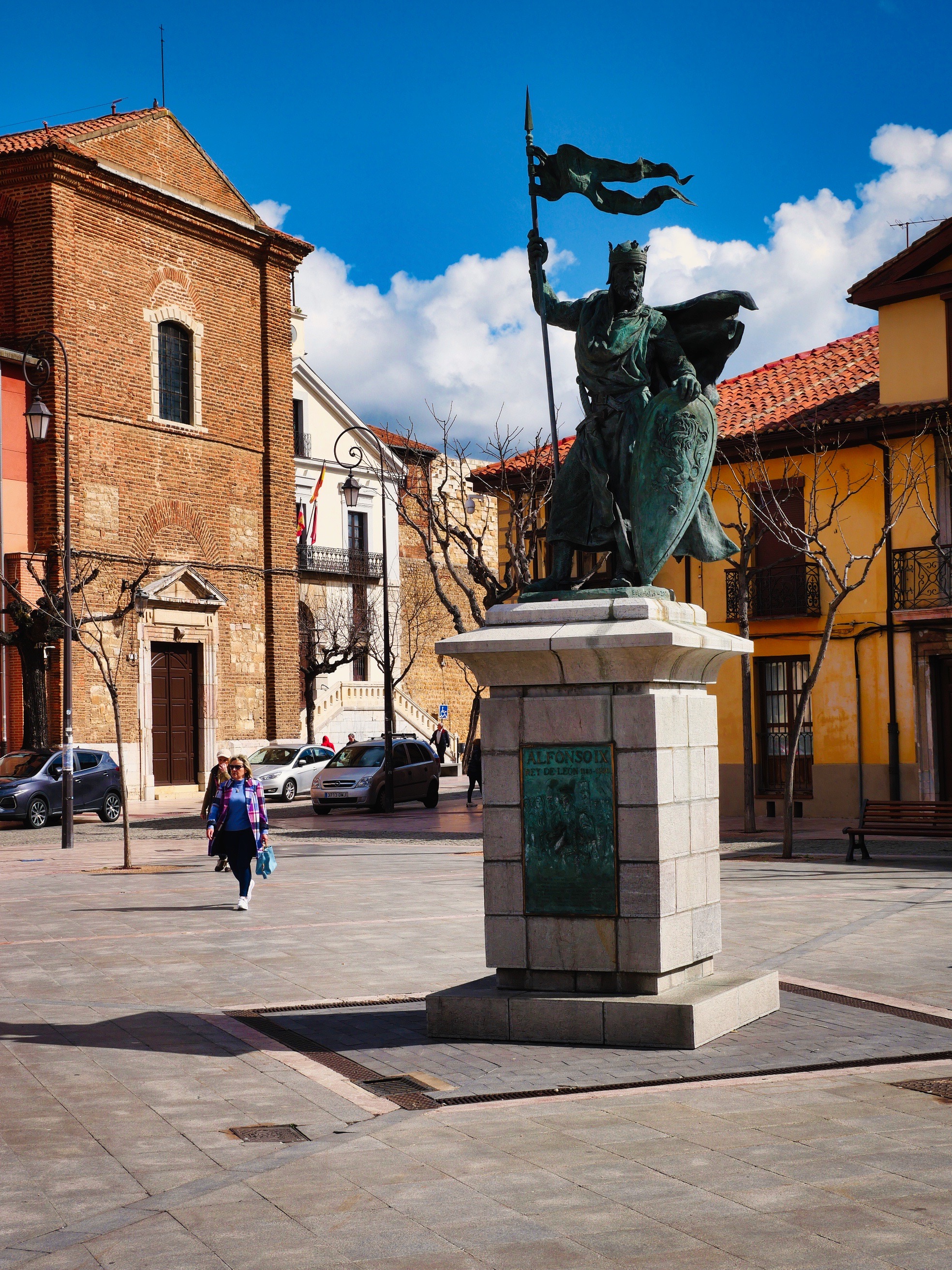
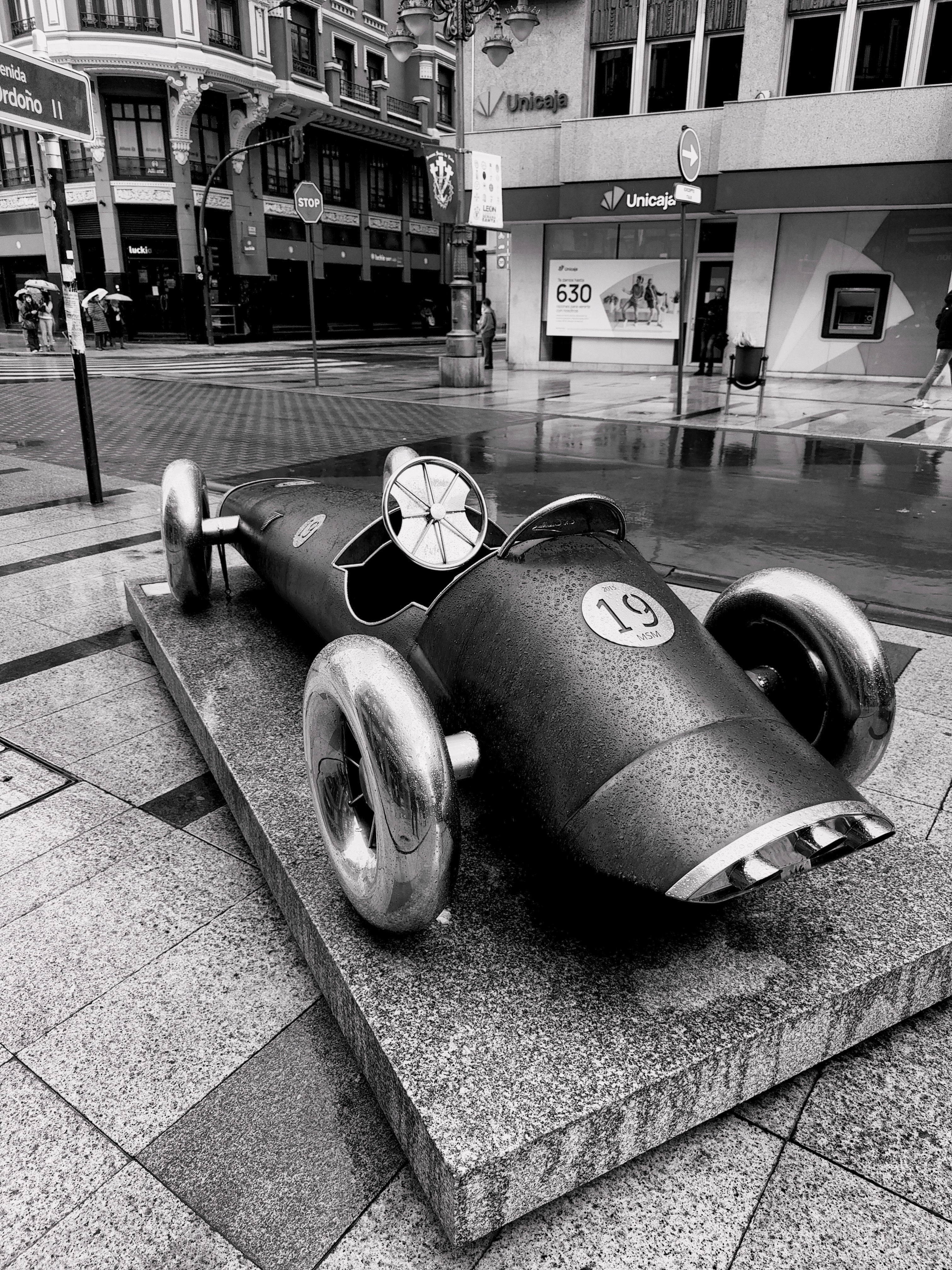
León is a charming city in northwestern Spain that offers a perfect blend of history, architecture, and gastronomy. Often overlooked in favor of bigger cities, León surprises visitors with its rich cultural heritage and warm atmosphere.

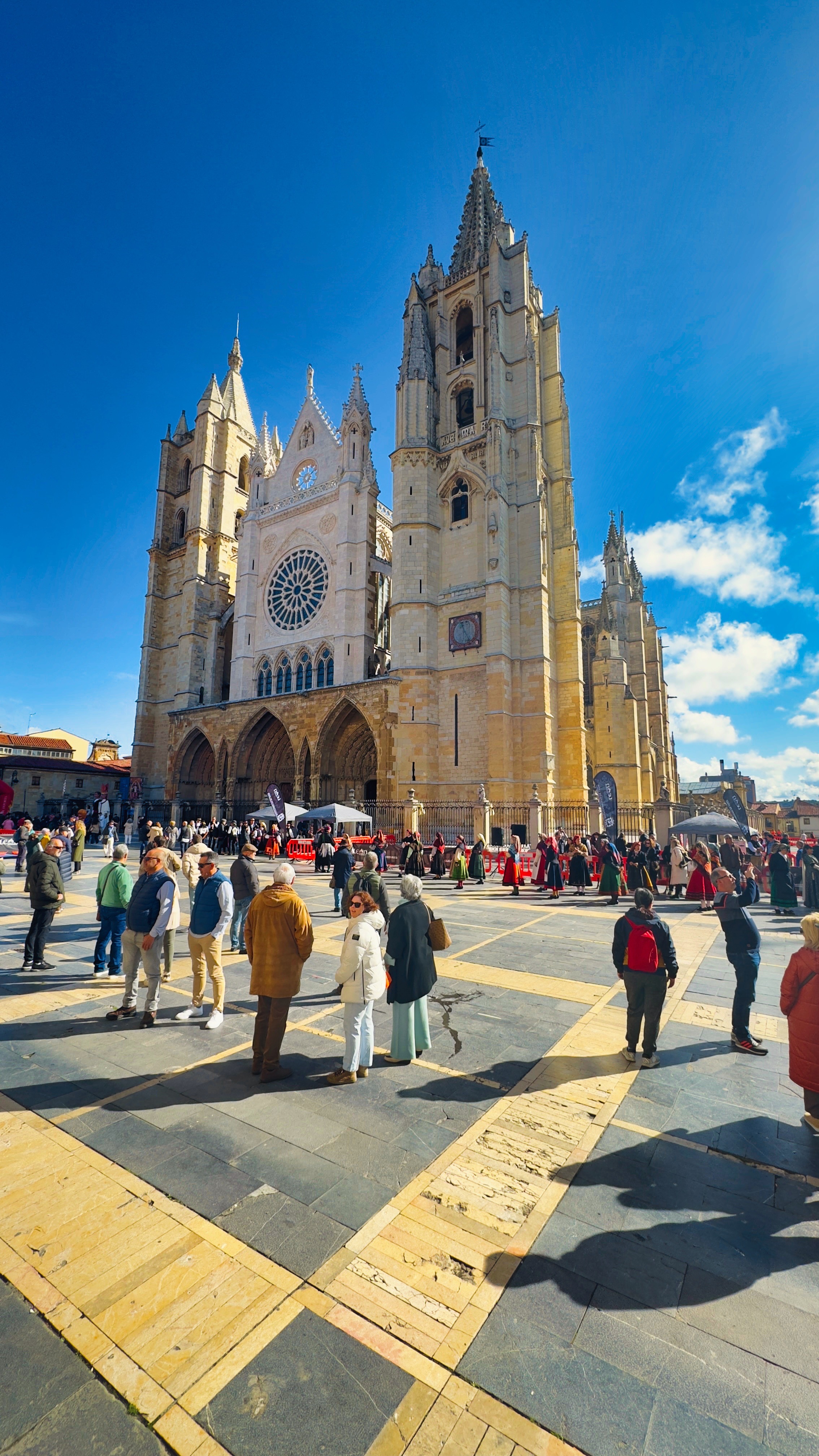
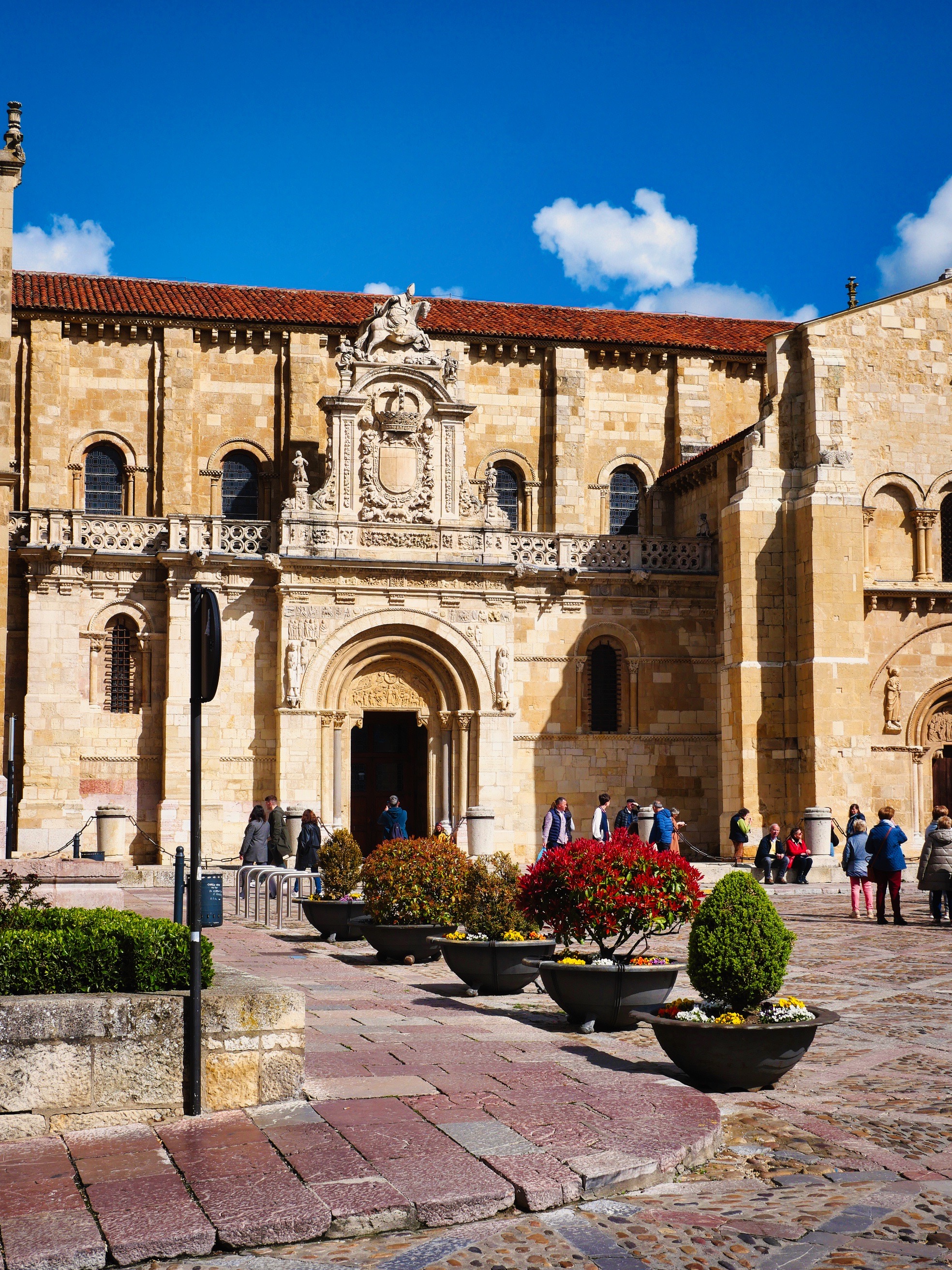
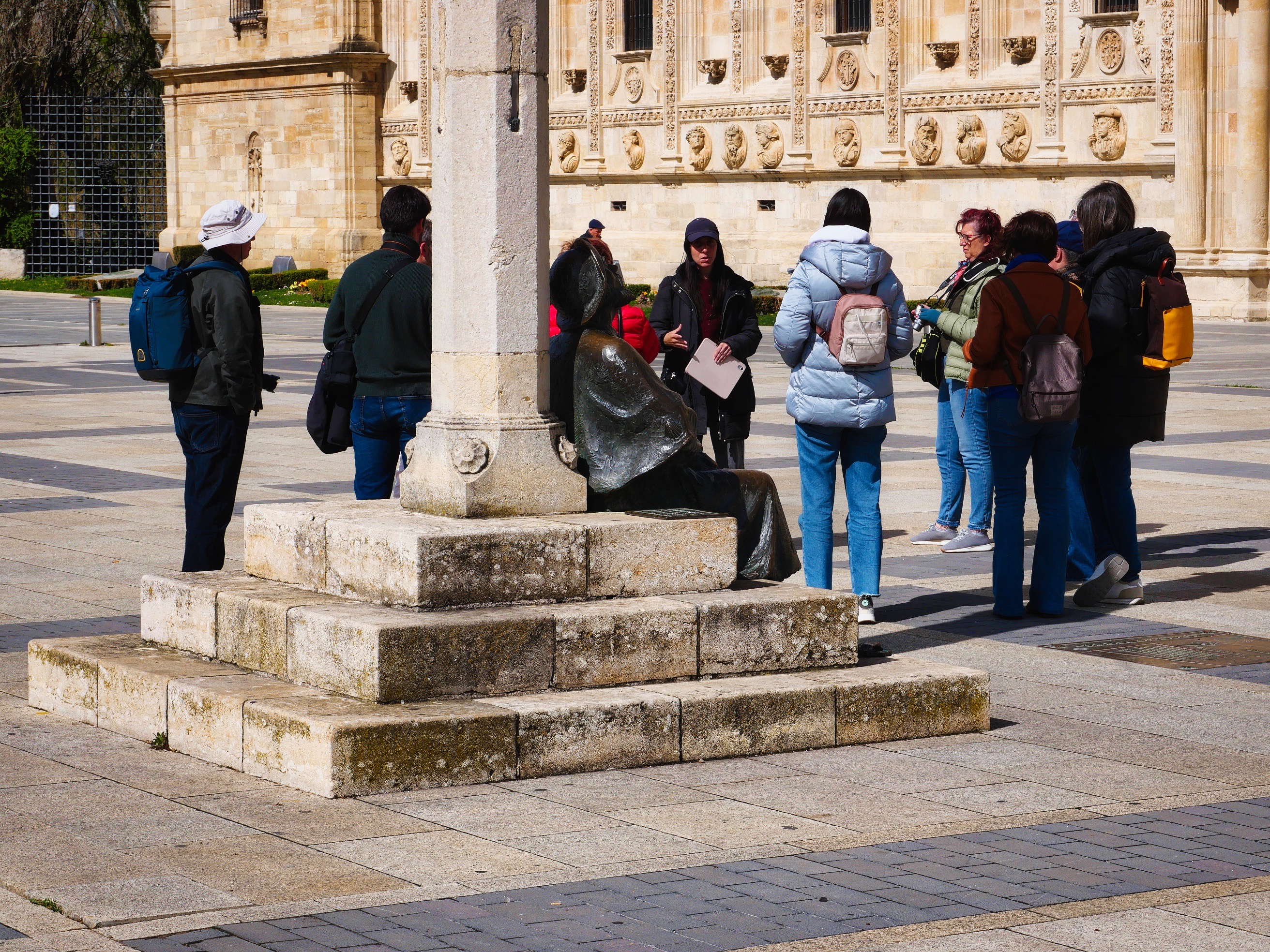
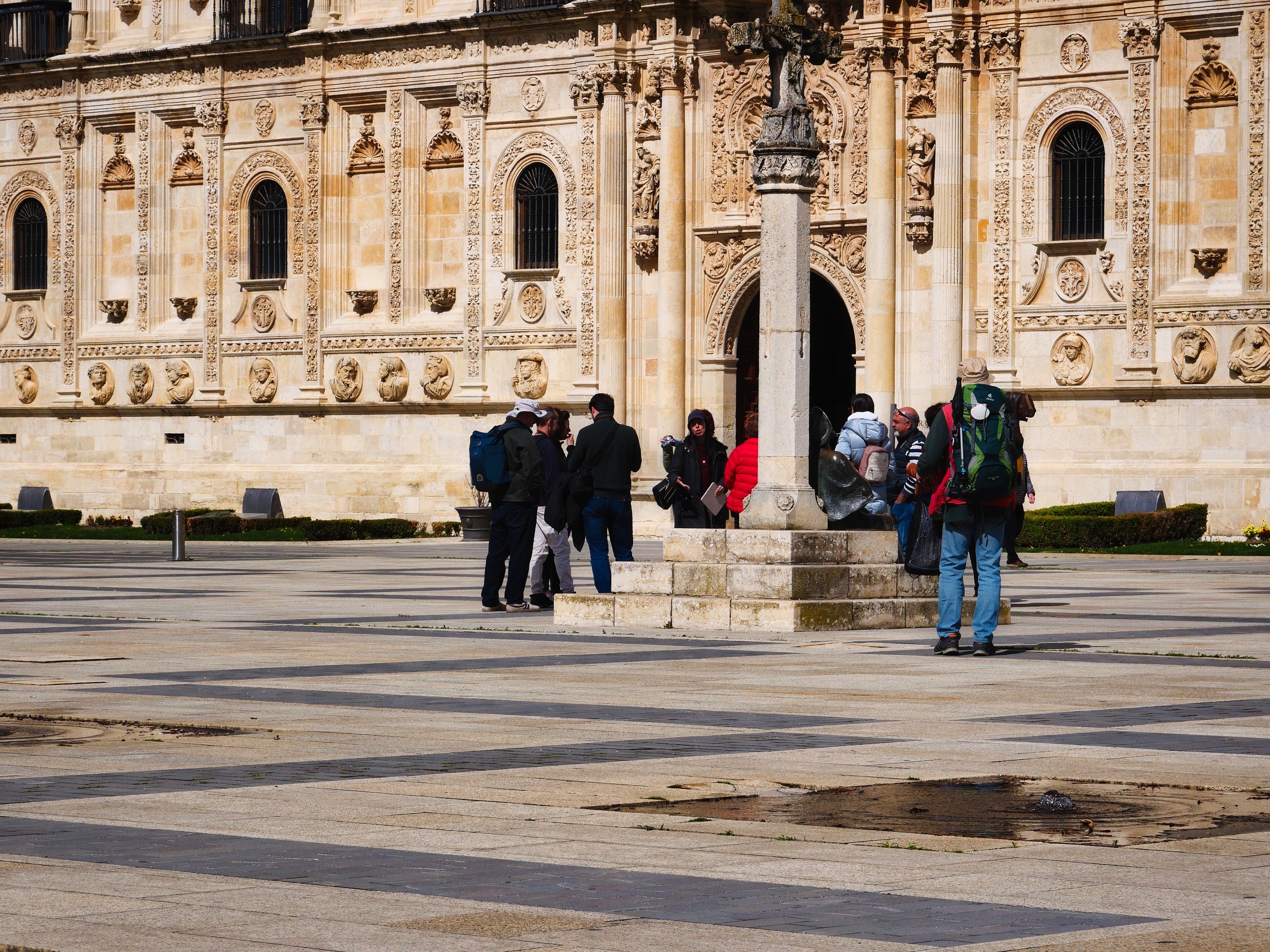
One of León’s most iconic landmarks is its Gothic cathedral, known as the “Pulchra Leonina.” Famous for its stunning stained-glass windows, it is considered one of the finest examples of French-style Gothic architecture in Spain. Nearby, the Basilica of San Isidoro houses the Royal Pantheon, with frescoes so well-preserved they are often called the “Sistine Chapel of Romanesque art.”

León is also home to Casa Botines, a rare work by the famous architect Antoni Gaudí outside of Catalonia. This building reflects Gaudí’s unique style and is now a museum dedicated to his legacy.

The historic old town, known as the “Barrio Húmedo,” is full of narrow streets, lively plazas, and tapas bars. It’s the perfect place to sample local specialties like cecina, morcilla (blood sausage), and the region’s excellent wines.

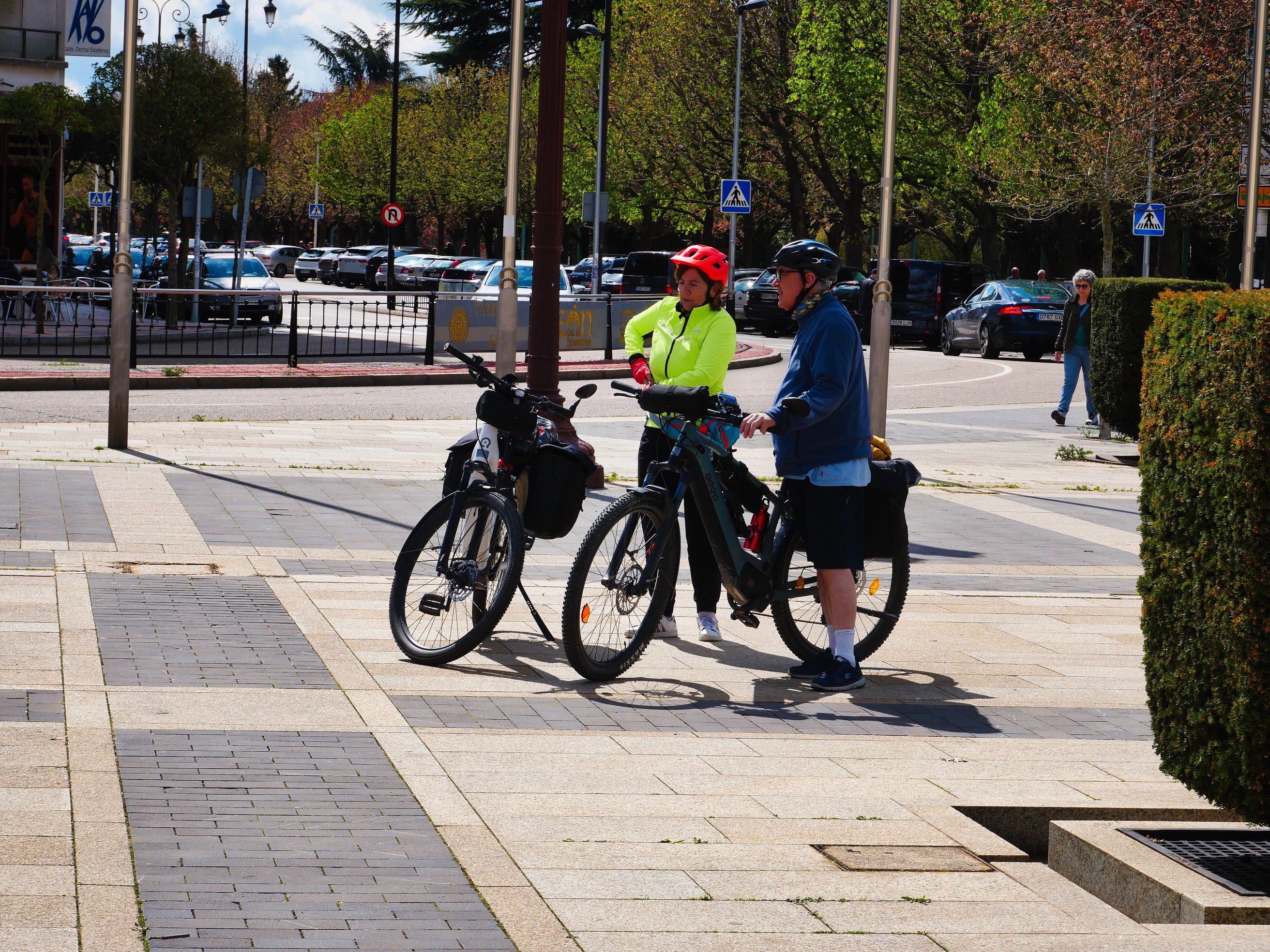
León is also a key stop on the Camino de Santiago, attracting thousands of pilgrims each year. The city offers a welcoming environment, rich traditions, and a slower pace that allows visitors to truly relax and enjoy.

Whether you’re a history lover, a foodie, or just someone looking for authentic Spanish charm, León is a destination worth discovering.


León, España: una joya escondida en el corazón de Castilla y León

León es una ciudad encantadora del noroeste de España que ofrece una combinación perfecta de historia, arquitectura y gastronomía. A menudo pasada por alto en favor de ciudades más grandes, León sorprende a sus visitantes con un rico patrimonio cultural y un ambiente acogedor.

Uno de sus monumentos más emblemáticos es la catedral gótica, conocida como la “Pulchra Leonina”. Famosa por sus impresionantes vidrieras, está considerada una de las mejores muestras del gótico francés en España. Muy cerca se encuentra la Basílica de San Isidoro, que alberga el Panteón Real, con frescos tan bien conservados que se les conoce como la “Capilla Sixtina del arte románico”.

León también cuenta con la Casa Botines, una rara obra del arquitecto Antoni Gaudí fuera de Cataluña. Este edificio refleja el estilo único de Gaudí y hoy funciona como museo dedicado a su legado.

El casco antiguo, conocido como el “Barrio Húmedo”, está lleno de callejuelas, plazas animadas y bares de tapas. Es el lugar ideal para degustar especialidades locales como la cecina, la morcilla y los excelentes vinos de la región.

León es además una parada clave en el Camino de Santiago, y cada año recibe a miles de peregrinos. La ciudad ofrece un entorno acogedor, tradiciones vivas y un ritmo pausado que invita a disfrutar con calma.

Tanto si eres amante de la historia como de la buena comida o buscas el encanto auténtico de España, León es un destino que merece ser descubierto.

Traveling by Train in Spain: A Comfortable and Smart Choice

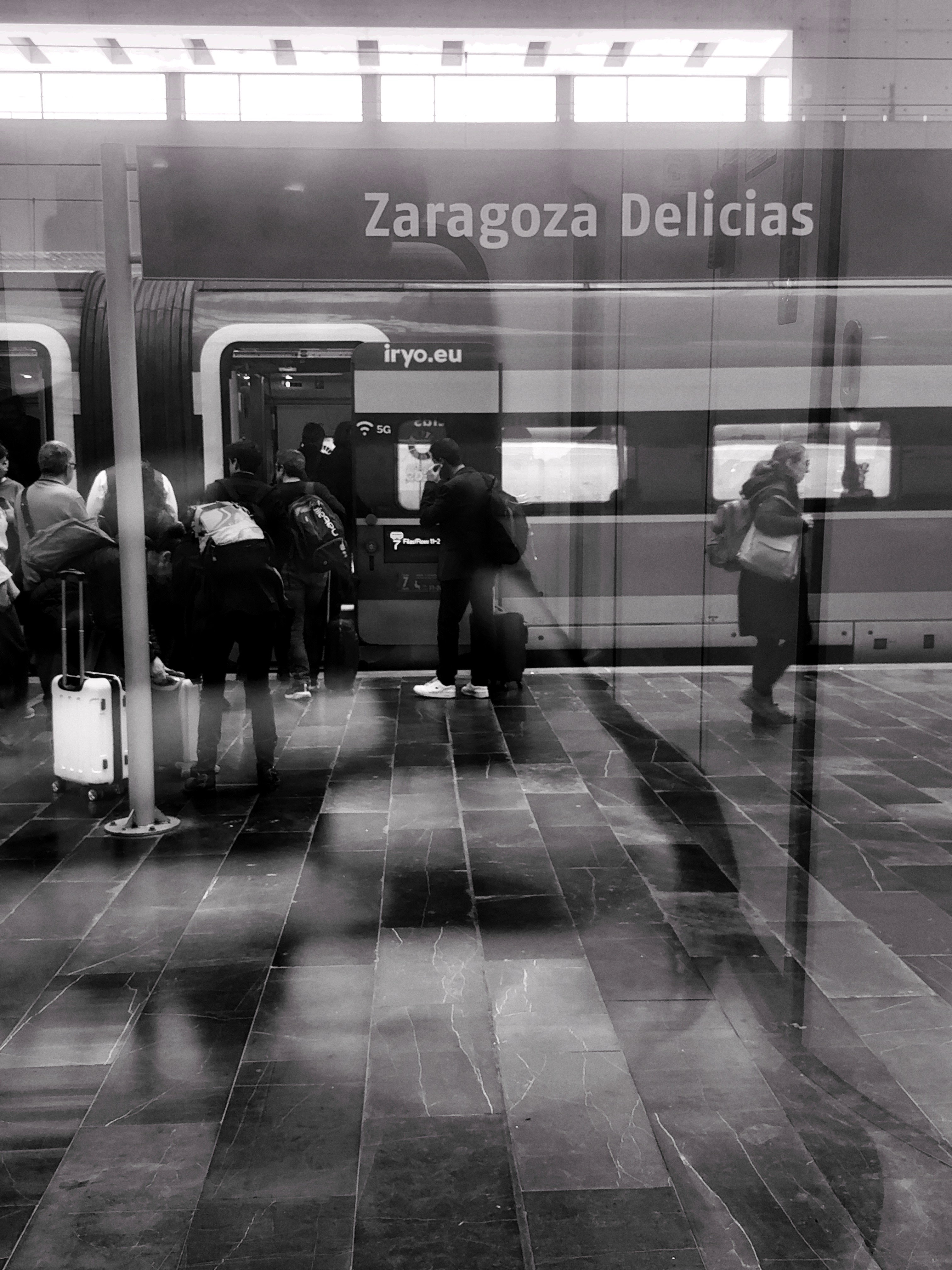
Train travel in Spain is one of the most comfortable and efficient ways to explore the country. Whether you’re commuting or sightseeing, trains offer a stress-free and enjoyable experience.

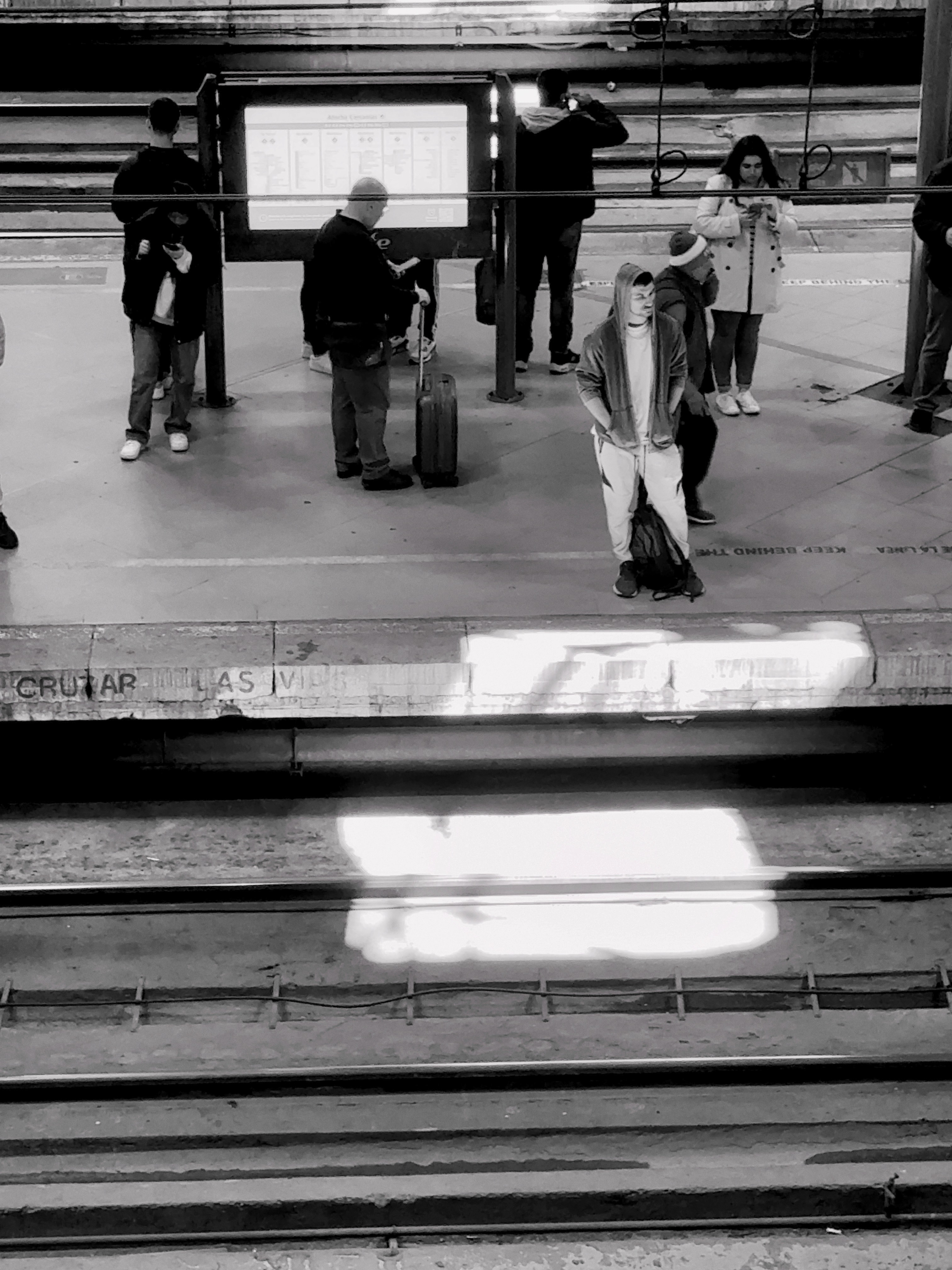
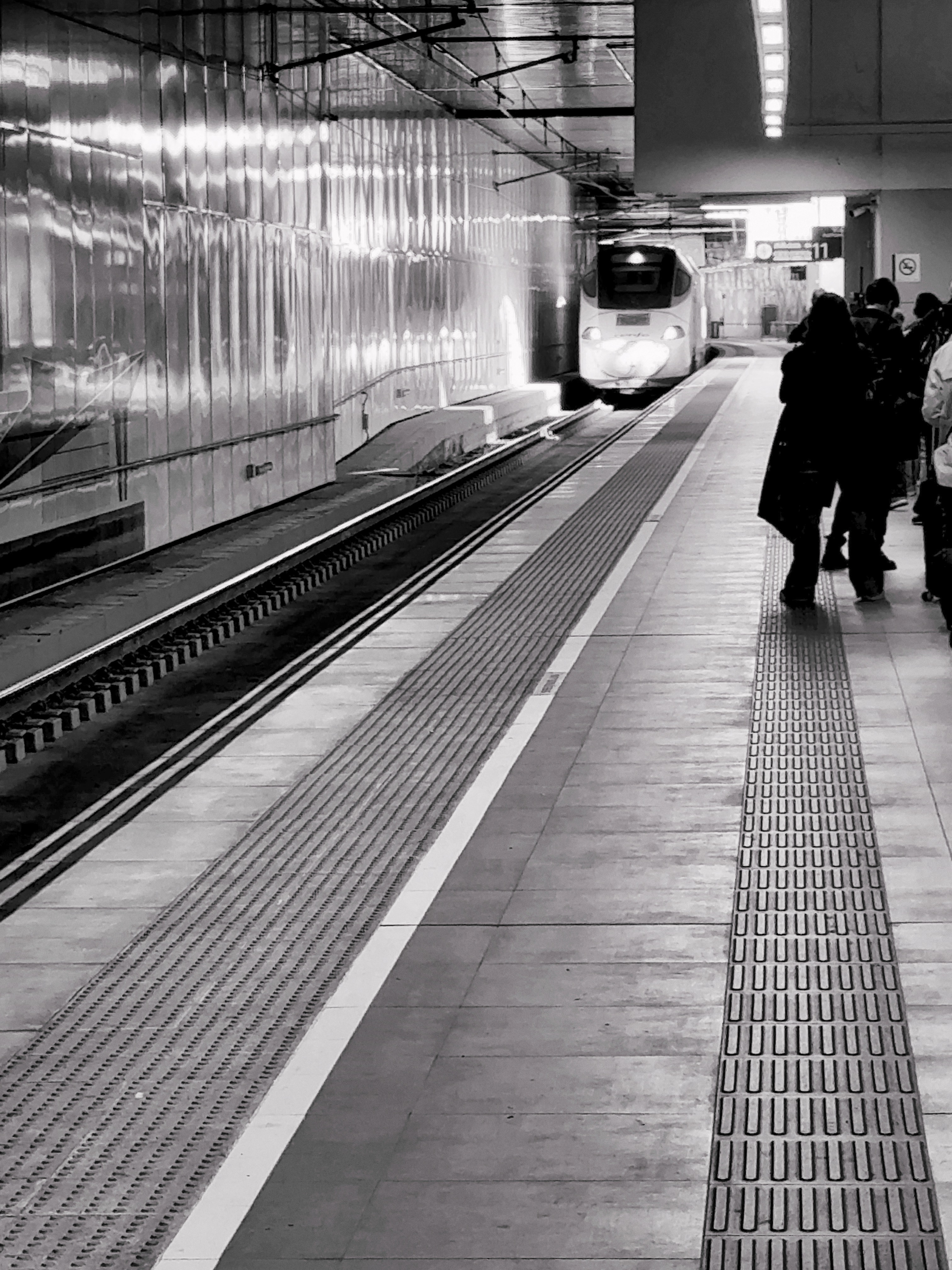
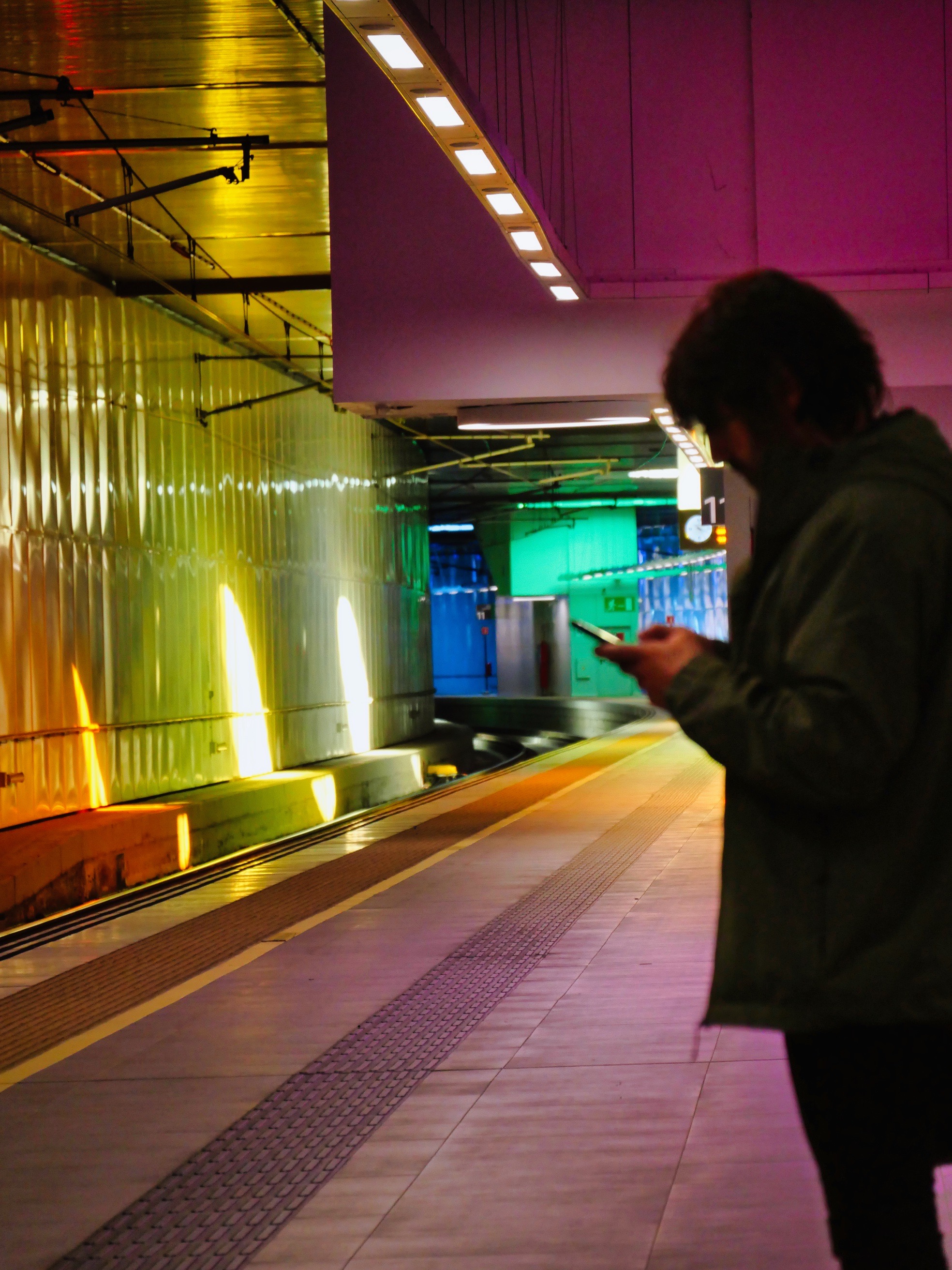
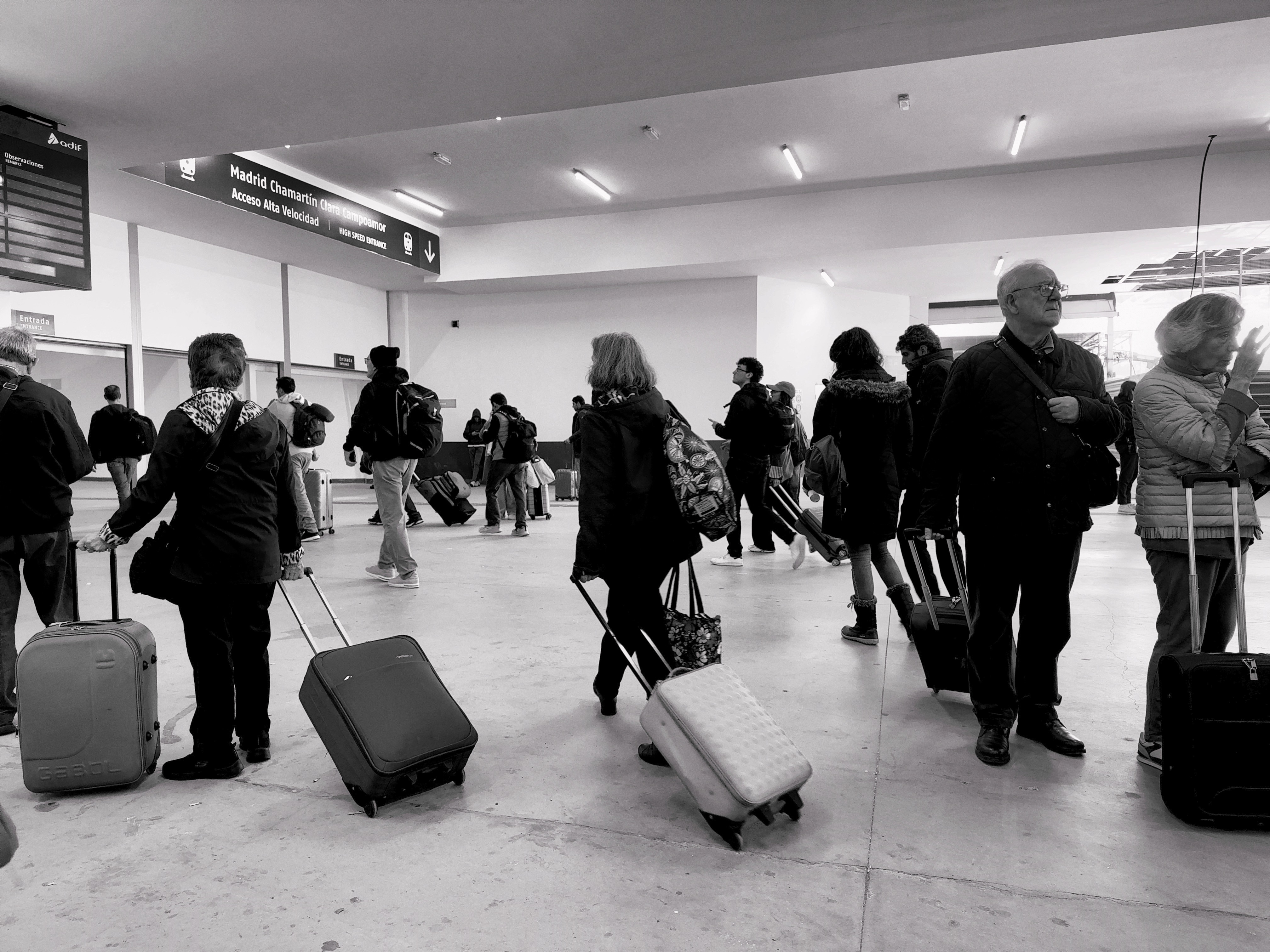
Spanish train stations are modern, clean, and well-equipped. Major hubs like Madrid Atocha and Barcelona Sants feature spacious waiting areas, restaurants, shops, free Wi-Fi, and clear signage in multiple languages. Some, like Atocha, even have beautiful interior gardens, adding a unique charm to the journey.

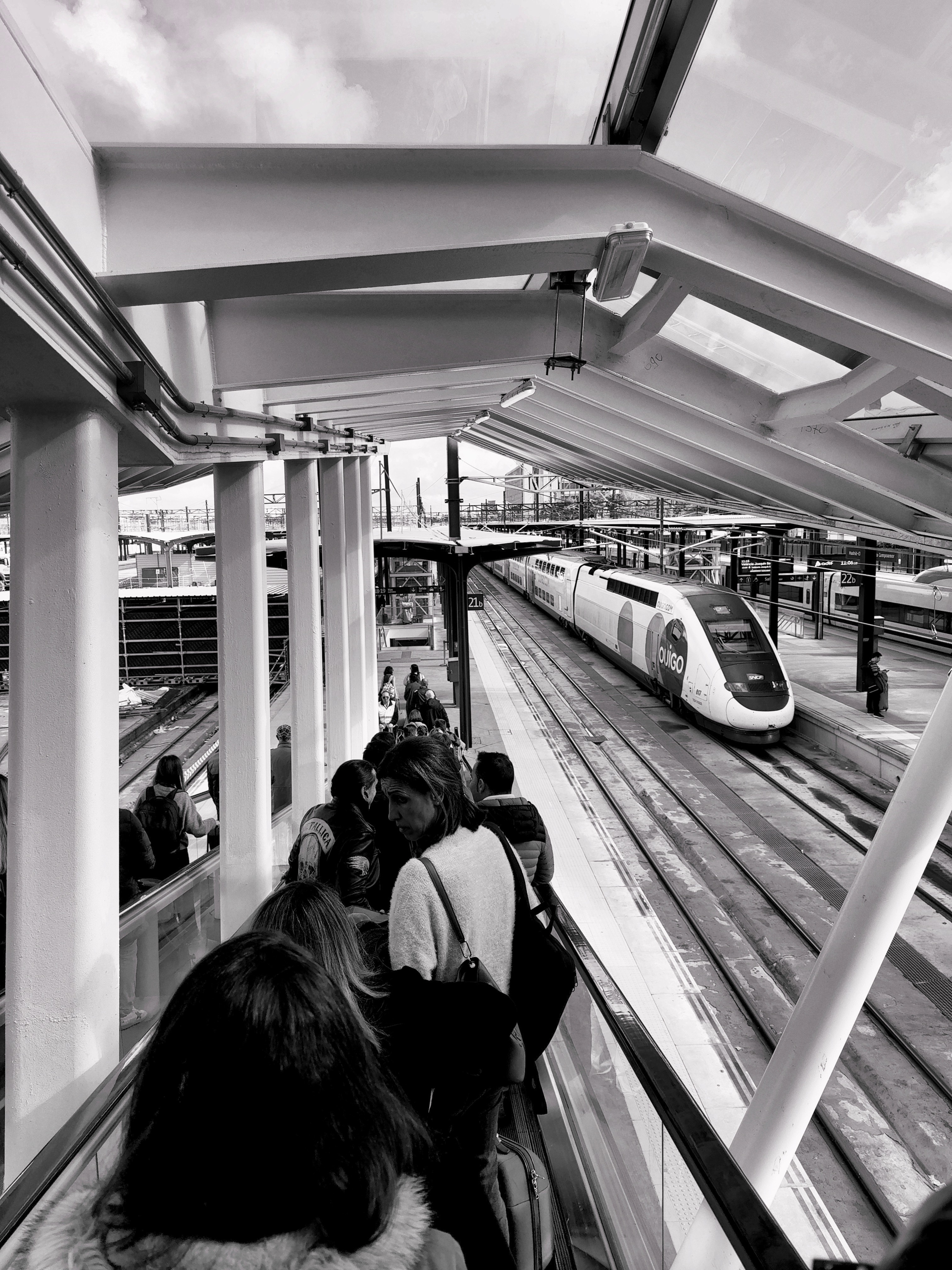
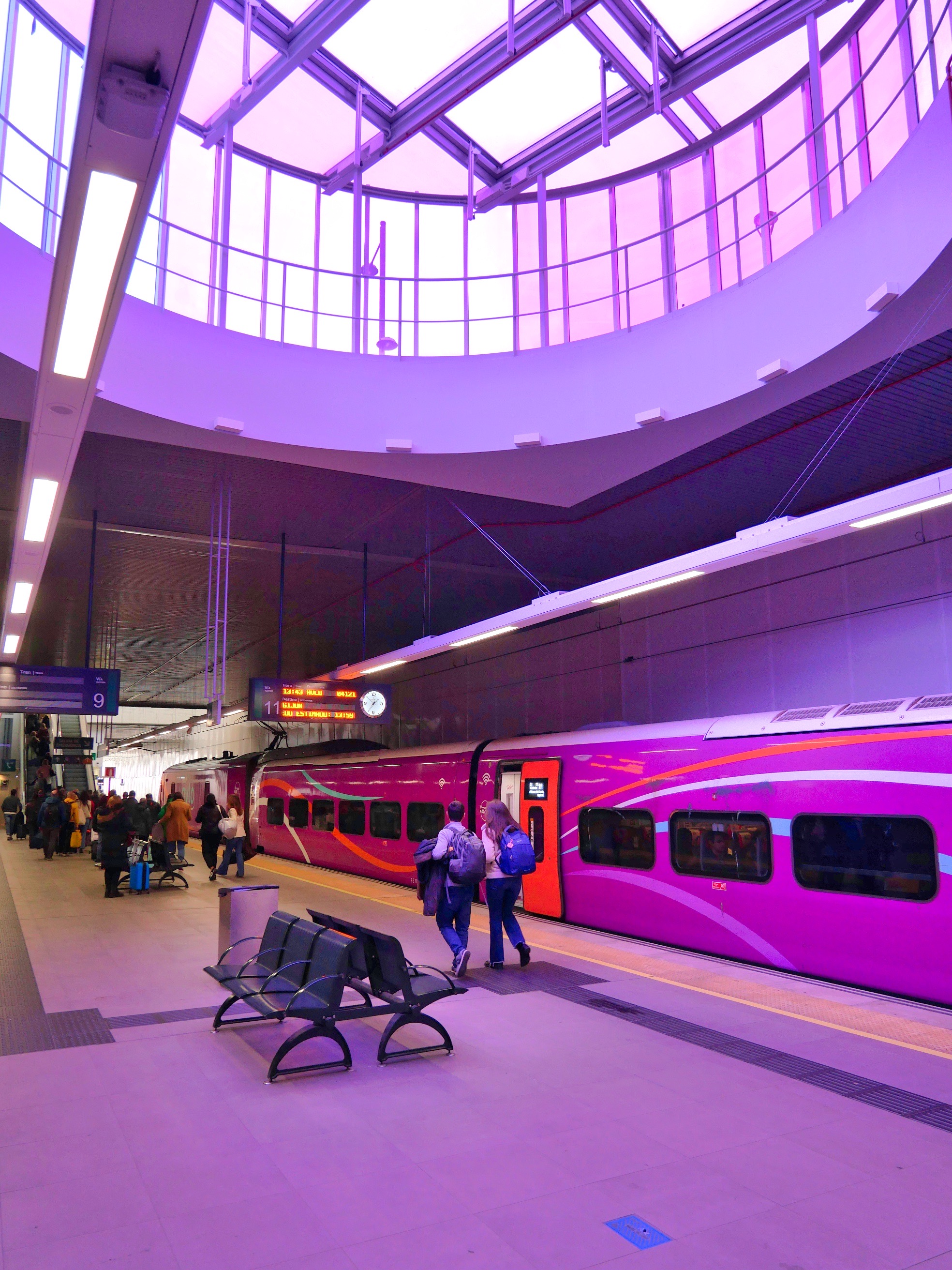
Compared to air travel, trains are more convenient. Airports require early arrival, security checks, and long boarding processes. Trains, however, depart from city centers and allow boarding just minutes before departure. High-speed AVE trains connect cities like Madrid, Barcelona, Seville, and Valencia in just a few hours—often faster than flying when considering total travel time.

Driving can also be tiring, with traffic, tolls, and parking challenges. On a train, you can relax, work, read, or enjoy the view. Plus, it’s a more sustainable choice, producing fewer carbon emissions than planes or cars.

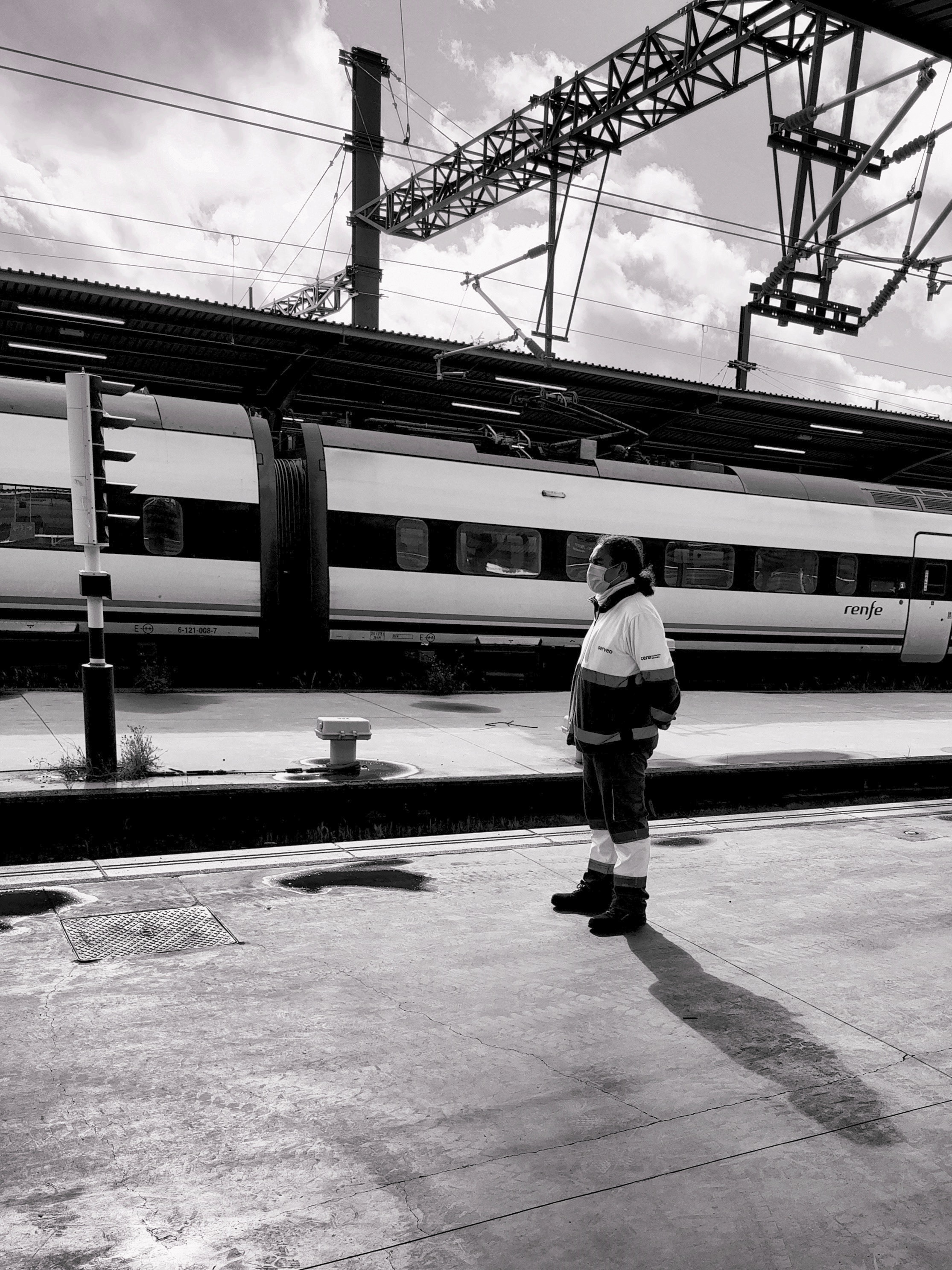
Renfe, Spain’s national rail company, offers affordable fares, discounts, and tourist passes. Trains are punctual, air-conditioned, and equipped with comfortable seating and power outlets.

In short, traveling by train in Spain combines comfort, speed, and sustainability. Whether you’re heading to the coast, the countryside, or a bustling city, the train is often the smartest and most pleasant option.


Viajar en tren por España: una opción cómoda e inteligente

Viajar en tren por España es una de las formas más cómodas y eficientes de recorrer el país. Ya sea para desplazarte por trabajo o para hacer turismo, el tren ofrece una experiencia sin estrés y muy agradable.

Las estaciones de tren en España son modernas, limpias y bien equipadas. Grandes centros como Atocha en Madrid o Sants en Barcelona cuentan con amplias zonas de espera, restaurantes, tiendas, Wi-Fi gratuito y señalización clara en varios idiomas. Algunas, como Atocha, incluso tienen jardines interiores que dan un toque único al viaje.

En comparación con el avión, el tren es mucho más práctico. Los aeropuertos exigen llegar con antelación, pasar controles de seguridad y esperar para embarcar. En cambio, los trenes salen desde el centro de las ciudades y permiten embarcar pocos minutos antes de la salida. Los trenes de alta velocidad AVE conectan ciudades como Madrid, Barcelona, Sevilla y Valencia en pocas horas, a menudo más rápido que volar si se considera el tiempo total del trayecto.

Conducir también puede resultar agotador, por el tráfico, los peajes o la dificultad para aparcar. En el tren puedes relajarte, leer, trabajar o simplemente disfrutar del paisaje. Además, es una opción más sostenible, con menos emisiones contaminantes que el coche o el avión.

Renfe, la compañía nacional, ofrece tarifas asequibles, descuentos y pases turísticos. Los trenes son puntuales, climatizados y muy confortables.

En resumen, el tren en España combina comodidad, rapidez y sostenibilidad. Es, sin duda, una de las mejores formas de viajar.

Lisbon: The City of Seven Hills

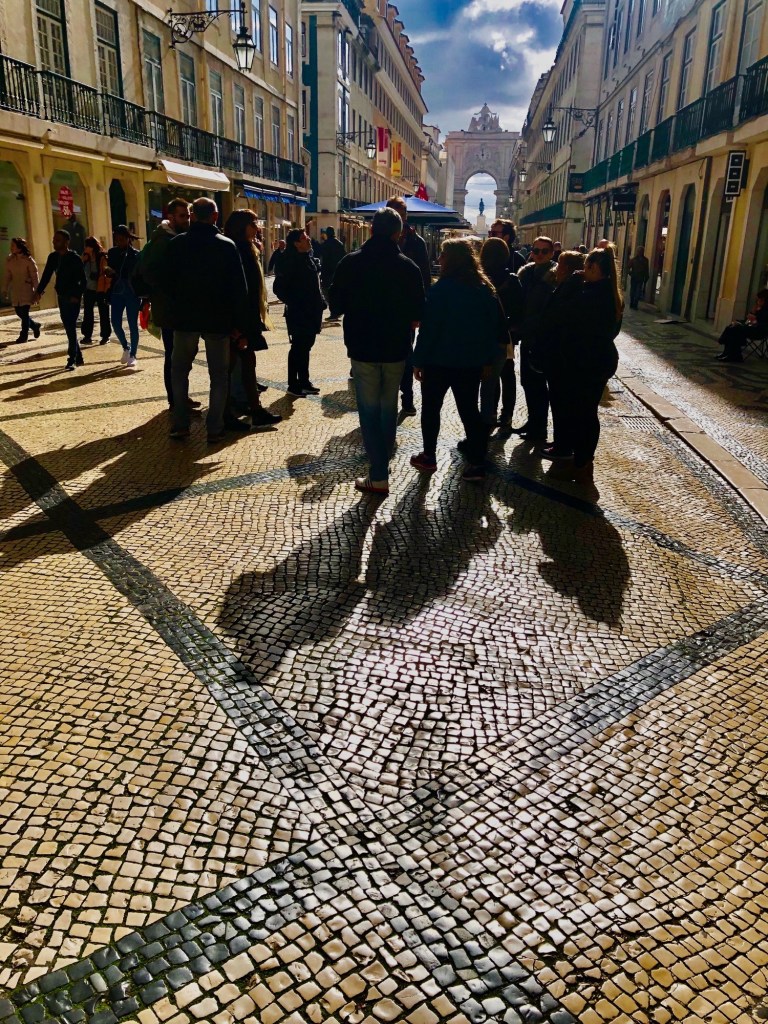
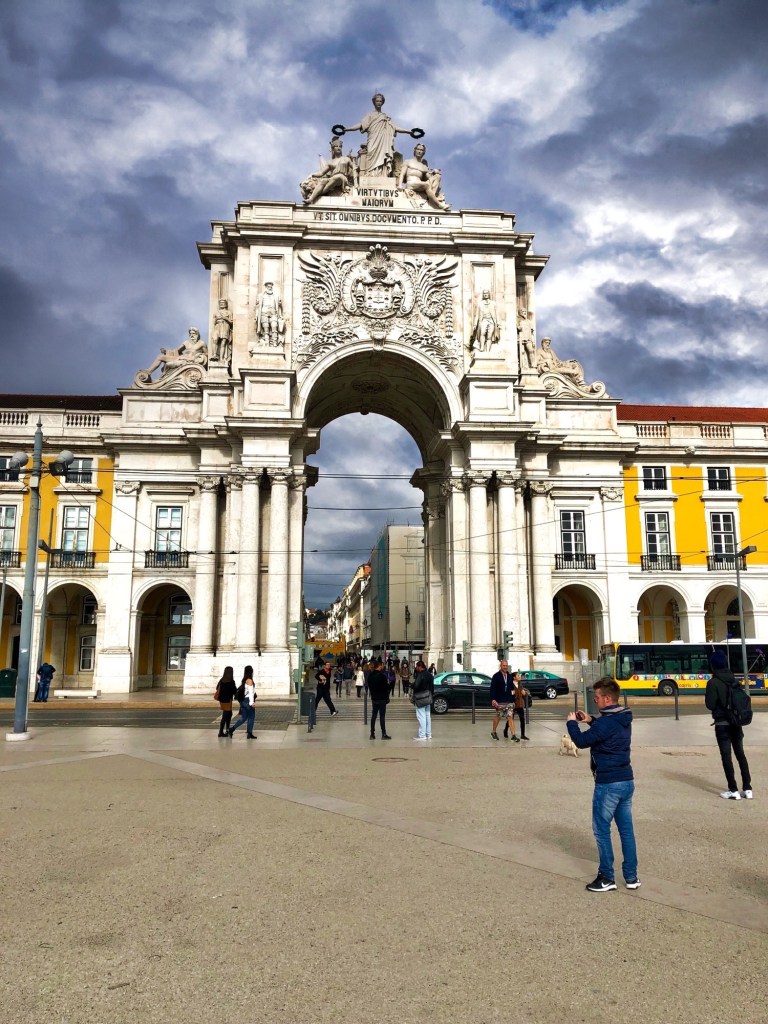
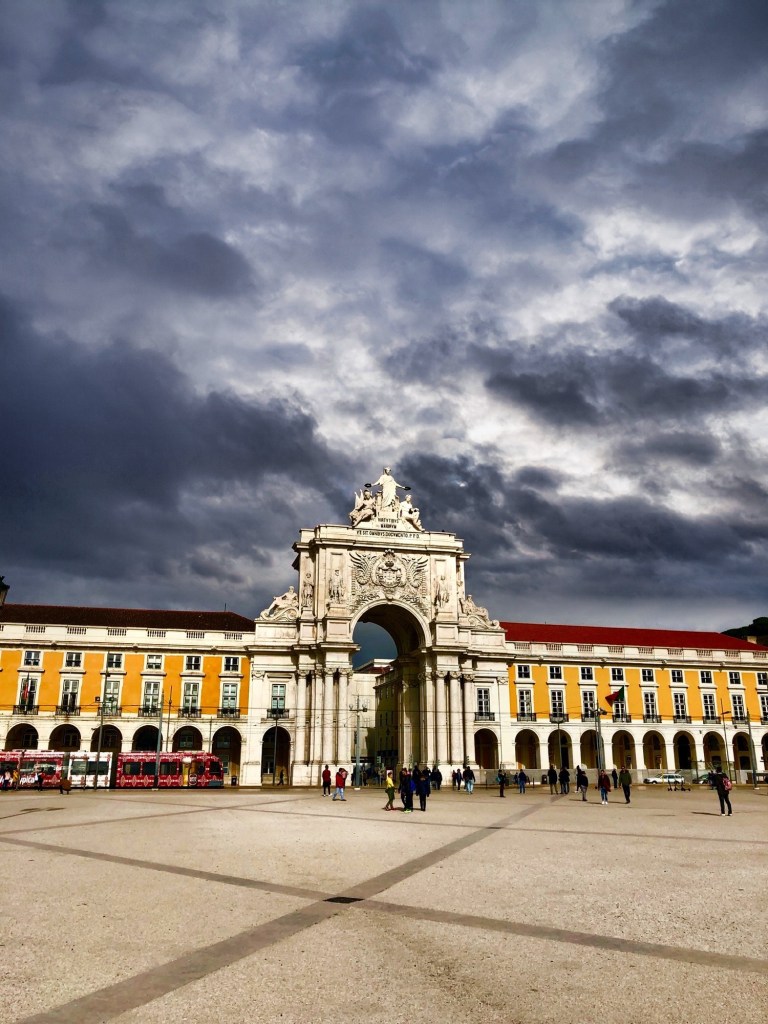
Lisbon, the capital of Portugal, is a city of charm, history, and breathtaking views. Built on seven hills along the Tagus River, it offers a unique blend of traditional and modern influences, making it one of Europe’s most captivating destinations.

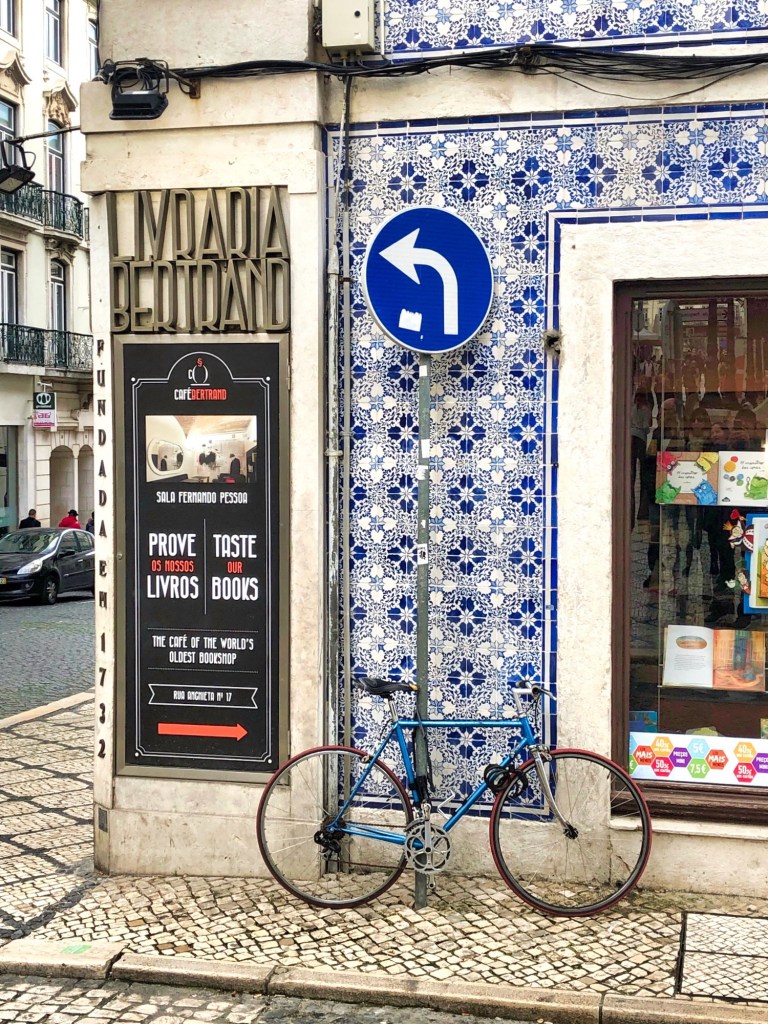
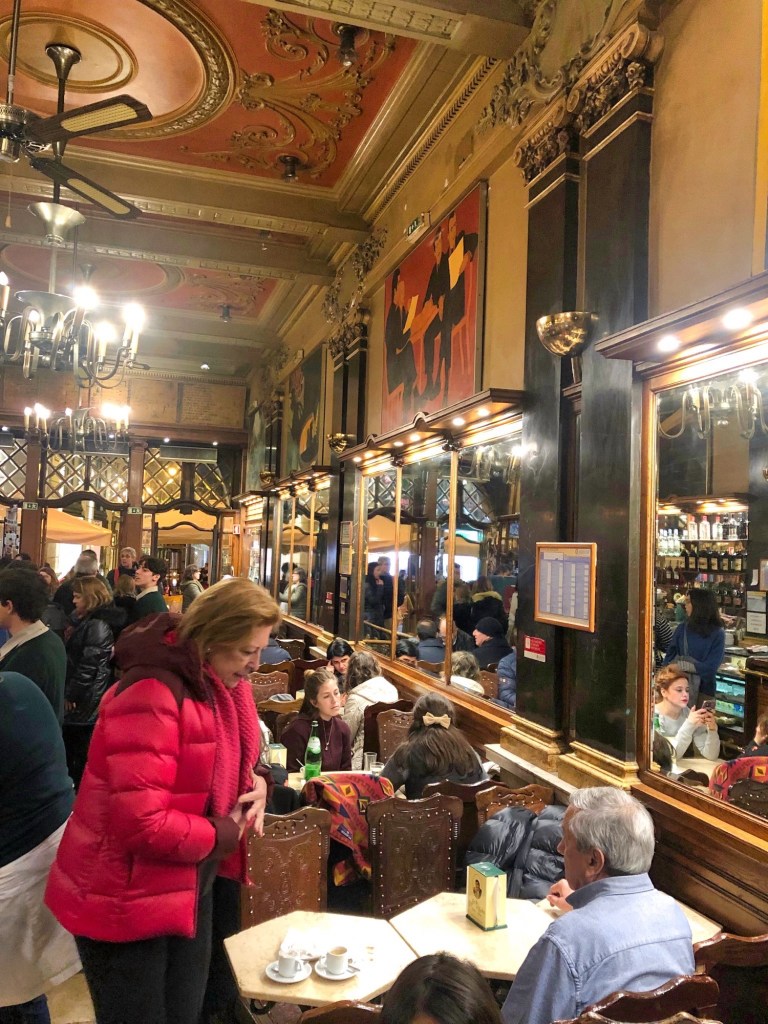
The city’s historic neighborhoods, such as Alfama, Bairro Alto, and Baixa, are filled with narrow streets, colorful tiles, and lively cafés. The iconic yellow trams, especially Tram 28, take visitors through Lisbon’s steep hills, offering stunning views of the city’s red rooftops and the river.

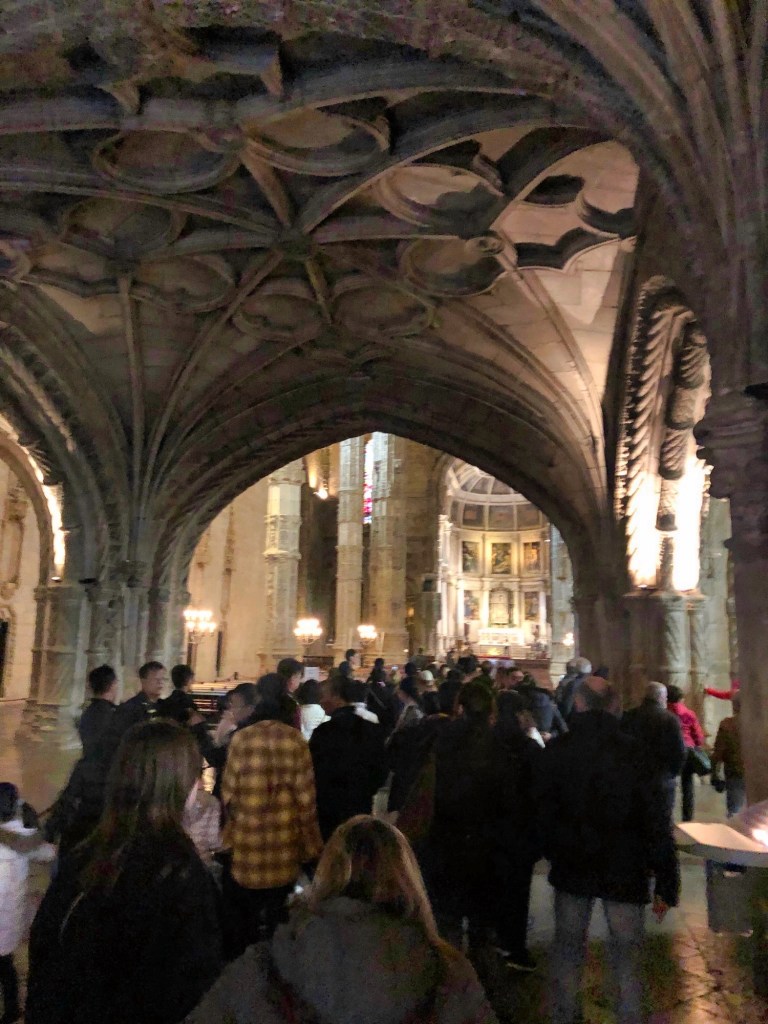
One of Lisbon’s most famous landmarks is the Belém Tower, a UNESCO World Heritage Site that once guarded the city’s harbor. Nearby, the Jerónimos Monastery showcases Portugal’s impressive Manueline architecture. A visit to Belém is incomplete without tasting the famous pastéis de nata, Portugal’s delicious custard tarts.

Lisbon is also a city of music. The soulful sounds of fado, Portugal’s traditional melancholic music, can be heard in small bars and restaurants across the city. The nightlife is vibrant, especially in the Bairro Alto district, where bars and clubs keep the city alive until dawn.

Modern Lisbon is a hub of innovation, with creative industries, street art, and a growing food scene. Whether you’re exploring the historic sites, enjoying fresh seafood by the waterfront, or simply getting lost in its charming streets, Lisbon is a city that captivates the heart.

With its warm climate, rich culture, and welcoming people, Lisbon truly embodies the spirit of Portugal.


Lisboa: La ciudad de las Siete Colinas

Lisboa, la capital de Portugal, es una ciudad llena de encanto, historia y vistas impresionantes. Construida sobre siete colinas a lo largo del río Tajo, ofrece una combinación única de influencias tradicionales y modernas, lo que la convierte en uno de los destinos más cautivadores de Europa.

Los barrios históricos de la ciudad, como Alfama, Bairro Alto y Baixa, están llenos de calles estrechas, coloridos azulejos y animadas cafeterías. Los icónicos tranvías amarillos, especialmente el Tranvía 28, llevan a los visitantes por las empinadas colinas de Lisboa, ofreciendo vistas espectaculares de los tejados rojizos y del río.

Uno de los monumentos más famosos de Lisboa es la Torre de Belém, declarada Patrimonio de la Humanidad por la UNESCO, que en su día protegió el puerto de la ciudad. Muy cerca, el Monasterio de los Jerónimos muestra la impresionante arquitectura manuelina de Portugal. Una visita a Belém no está completa sin probar los famosos pastéis de nata, los deliciosos pasteles de crema portugueses.

Lisboa también es una ciudad de música. El melancólico fado, la música tradicional de Portugal, se puede escuchar en pequeños bares y restaurantes por toda la ciudad. La vida nocturna es vibrante, especialmente en el Bairro Alto, donde bares y discotecas mantienen la ciudad despierta hasta el amanecer.

La Lisboa moderna es un centro de innovación, con industrias creativas, arte urbano y una creciente escena gastronómica. Ya sea explorando sus sitios históricos, disfrutando de mariscos frescos junto al río o perdiéndose en sus encantadoras calles, Lisboa es una ciudad que enamora.

Con su clima cálido, rica cultura y gente acogedora, Lisboa encarna verdaderamente el espíritu de Portugal.

Nature at Our Doorstep: The Green and Furry Soul of City Life

In the heart of bustling cities, a quiet yet vibrant world coexists with traffic, buildings, and busy lives. This is the realm of urban flora and fauna, where potted plants, park trees, and beloved pets bring a touch of nature into our daily routines.

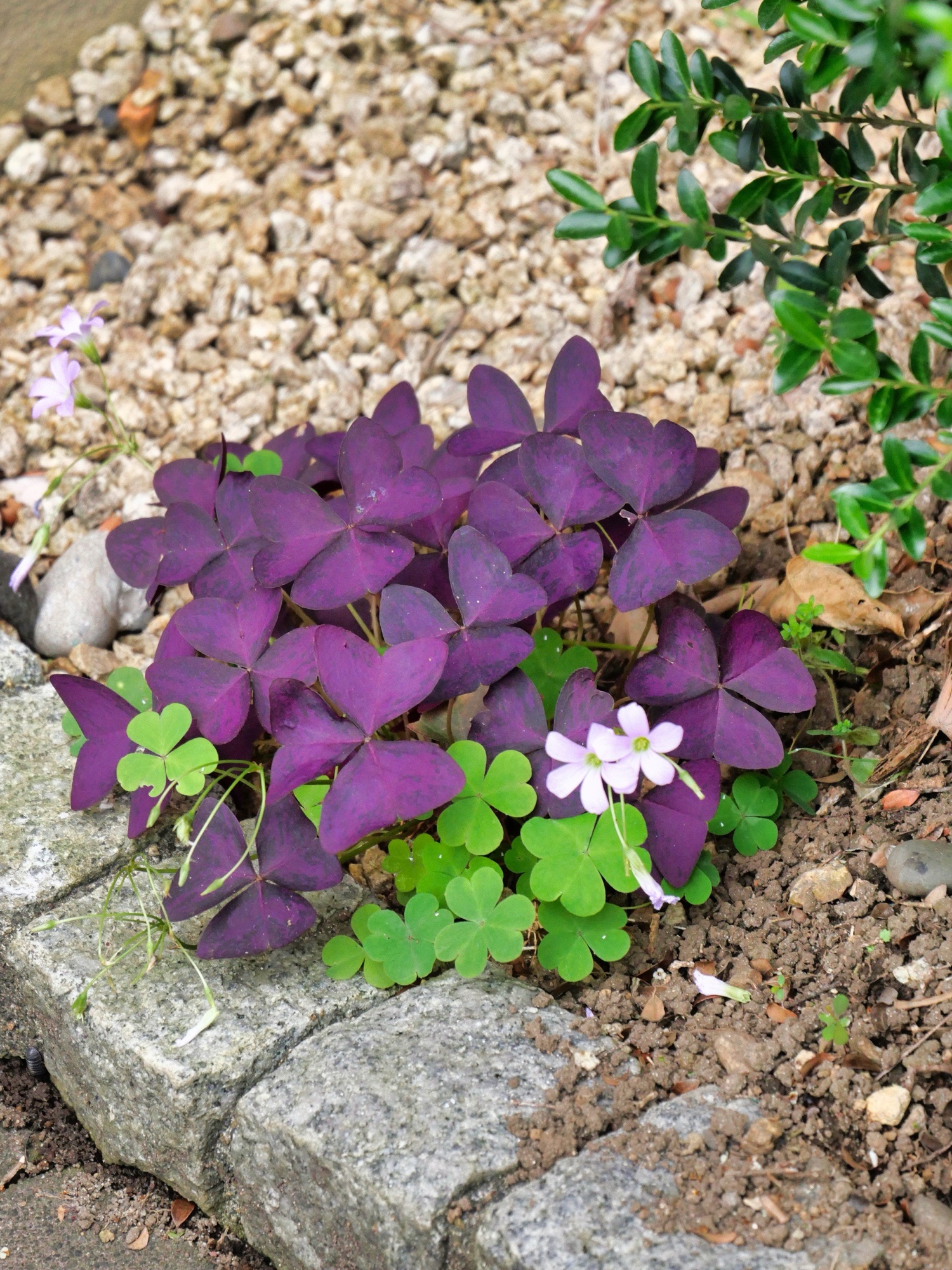
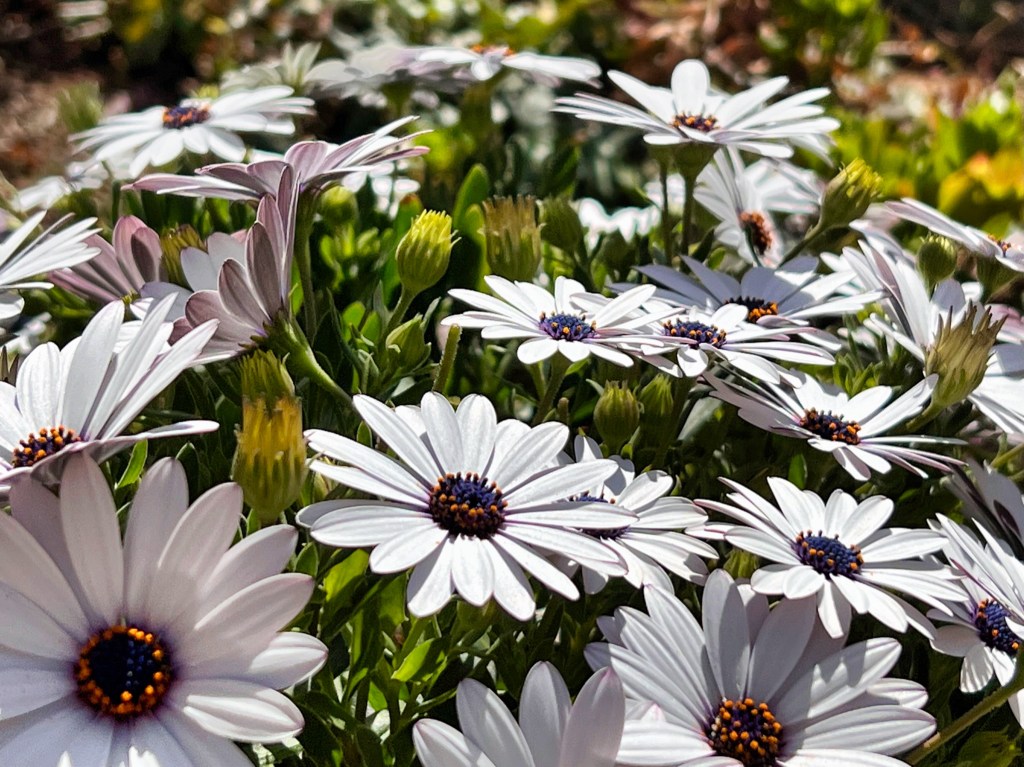
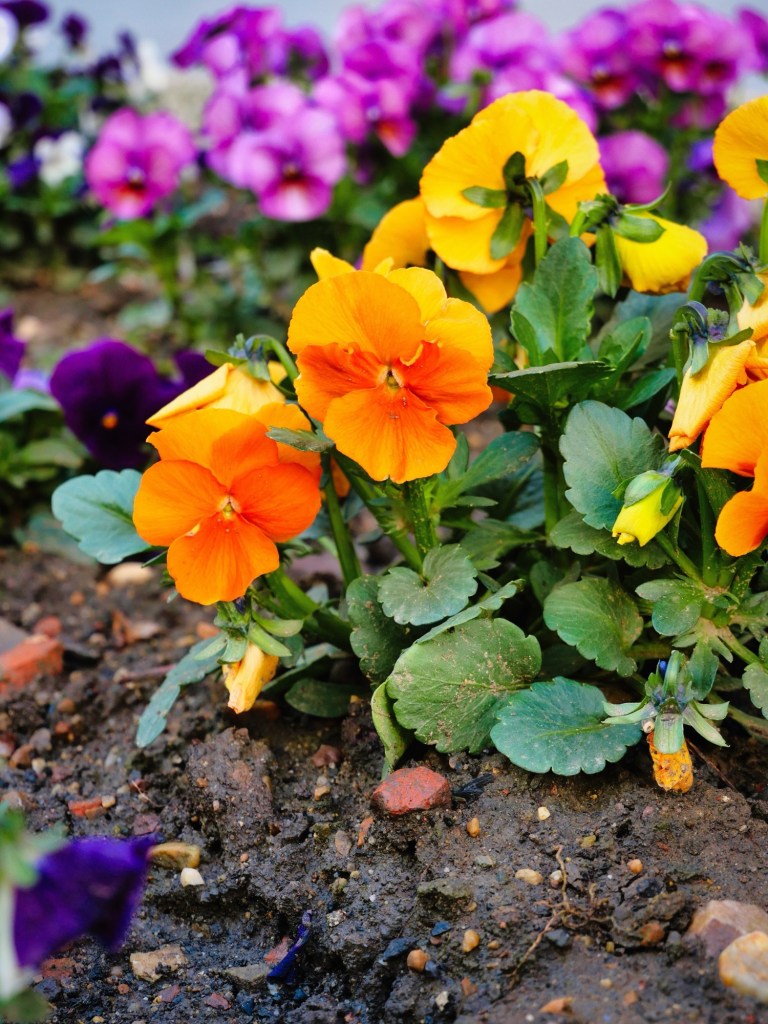
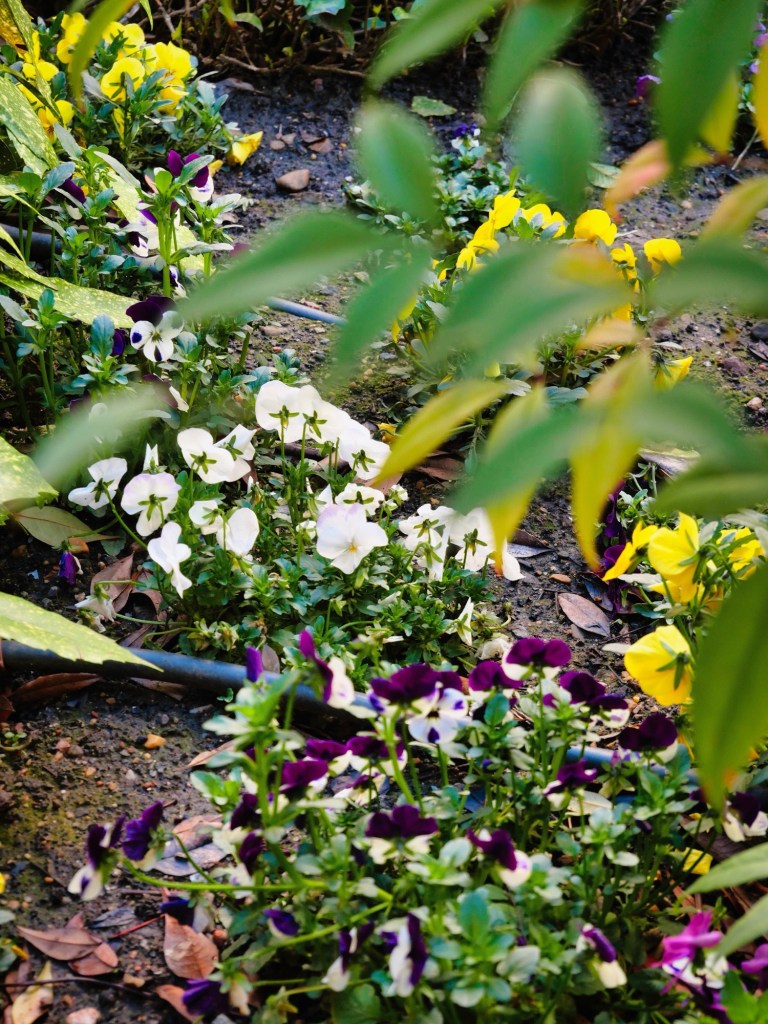
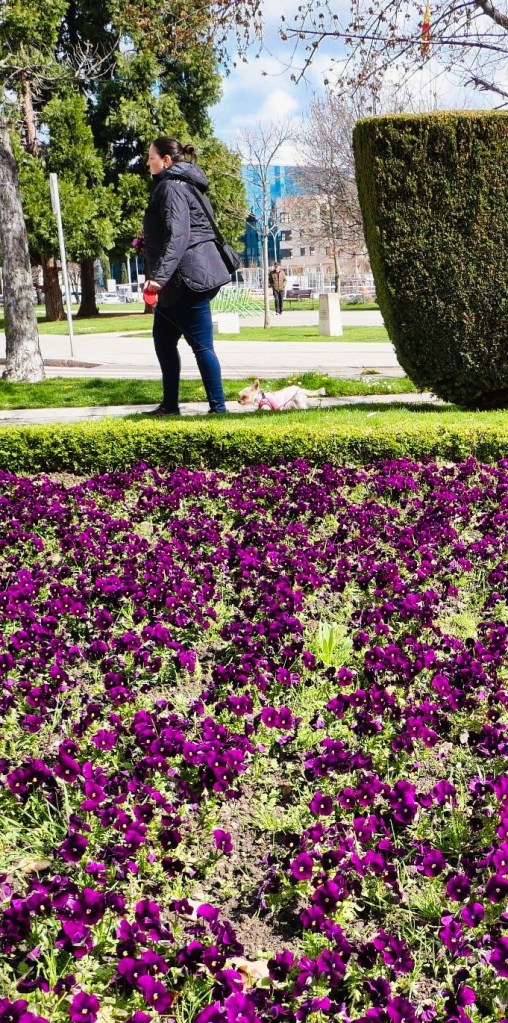
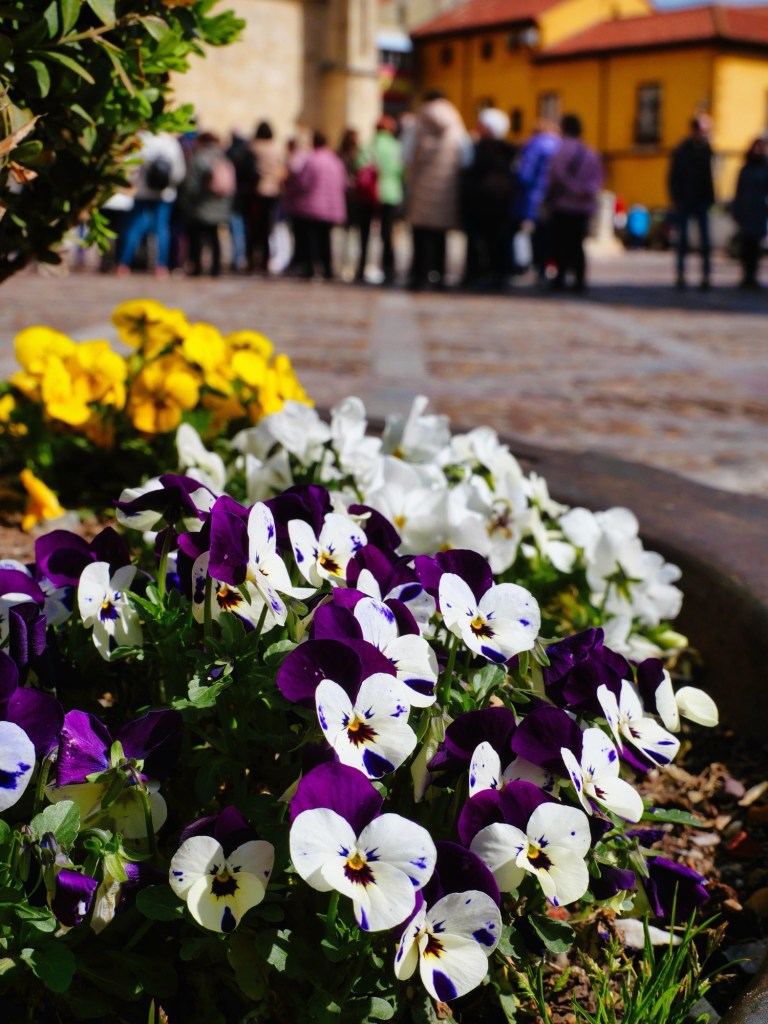
Urban flora may not include towering forests or wild meadows, but it thrives in balconies, public gardens, and roadside planters. Trees like the London plane, lime, and olive provide shade and clean air, while flowers and herbs in window boxes bring color and fragrance to gray facades. Cities like Barcelona or Terrassa, with their Mediterranean climates, host a mix of native and ornamental plants that support urban biodiversity.

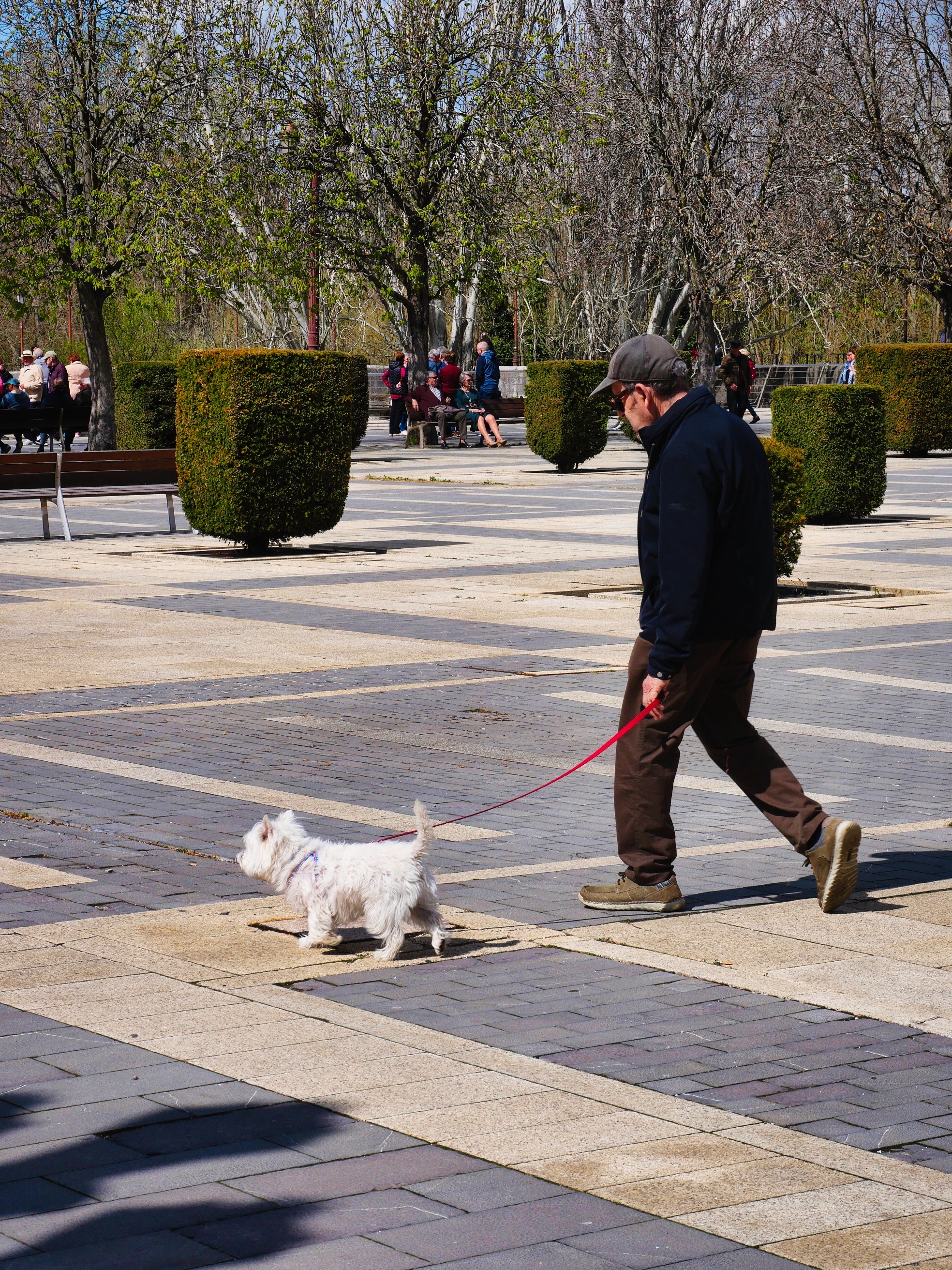
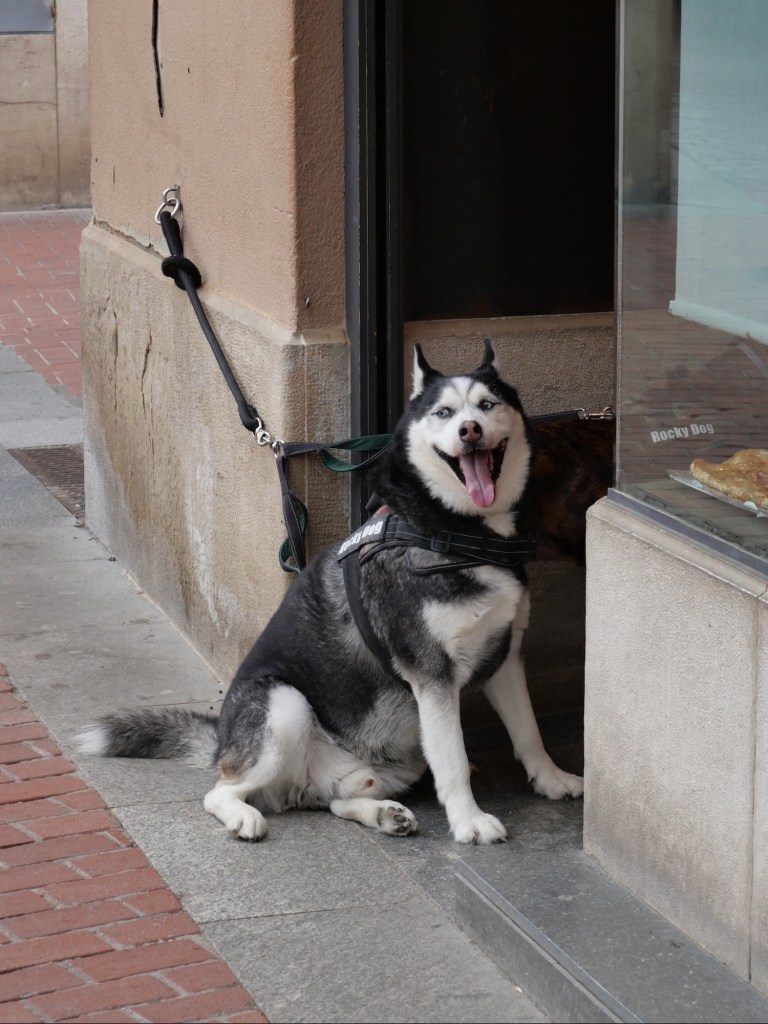
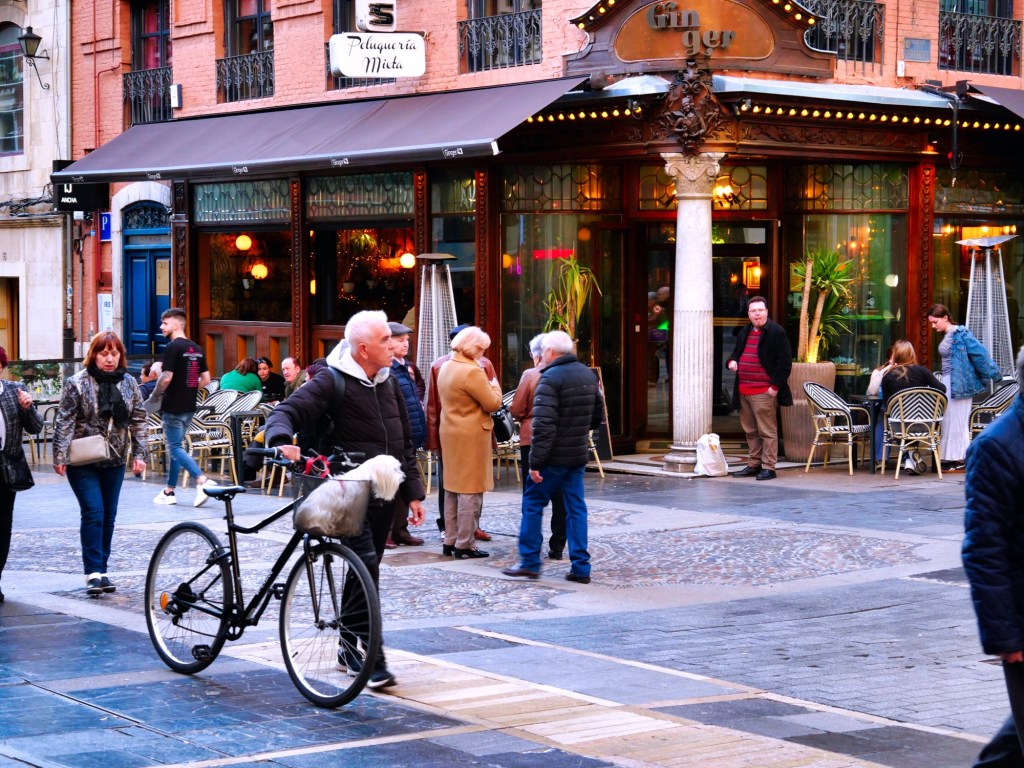
But perhaps the most charming part of urban fauna is the presence of companion animals—dogs, cats, birds, and even rabbits—who share our homes and our hearts. In parks and plazas, dogs chase balls while owners chat. Cats perch on sunny windowsills, surveying their kingdoms. These animals not only offer emotional support but also help build social connections in neighborhoods.

Urban nature, both green and furry, plays a vital role in city life. It softens the hard edges of urbanization, reduces stress, and reminds us that nature isn’t just something to visit—it can live with us, even in the most unexpected corners.

Next time you walk through your city, take a moment to notice the trees, the flowers, and the wagging tails—they’re part of a quiet, living tapestry that makes the urban world feel more like home.


Naturaleza en la puerta: El alma verde y peluda de la vida urbana

En el corazón de las ciudades bulliciosas, existe un mundo tranquilo pero vibrante que coexiste con el tráfico, los edificios y el ritmo acelerado de la vida. Este es el reino de la flora y fauna urbana, donde las plantas en macetas, los árboles en los parques y las mascotas queridas aportan un toque de naturaleza a nuestra rutina diaria.

La flora urbana quizá no incluya grandes bosques ni prados salvajes, pero florece en balcones, jardines públicos y parterres de acera. Árboles como el plátano de sombra, el tilo o el olivo ofrecen sombra y aire limpio, mientras que las flores y hierbas en las ventanas llenan de color y aroma las fachadas grises. Ciudades como Barcelona o Terrassa, con su clima mediterráneo, acogen una mezcla de plantas autóctonas y ornamentales que favorecen la biodiversidad urbana.

Pero quizás la parte más entrañable de la fauna urbana sea la presencia de animales de compañía —perros, gatos, pájaros e incluso conejos— que comparten con nosotros el hogar y el corazón. En parques y plazas, los perros corren tras pelotas mientras sus dueños conversan. Los gatos se acomodan en los alféizares soleados, vigilando su reino. Estos animales no solo ofrecen compañía y apoyo emocional, sino que también ayudan a crear vínculos sociales en los barrios.

La naturaleza urbana, tanto verde como peluda, cumple un papel vital en la vida de la ciudad. Suaviza el impacto del entorno urbano, reduce el estrés y nos recuerda que la naturaleza no es solo un lugar al que ir: puede vivir con nosotros, incluso en los rincones más inesperados.