
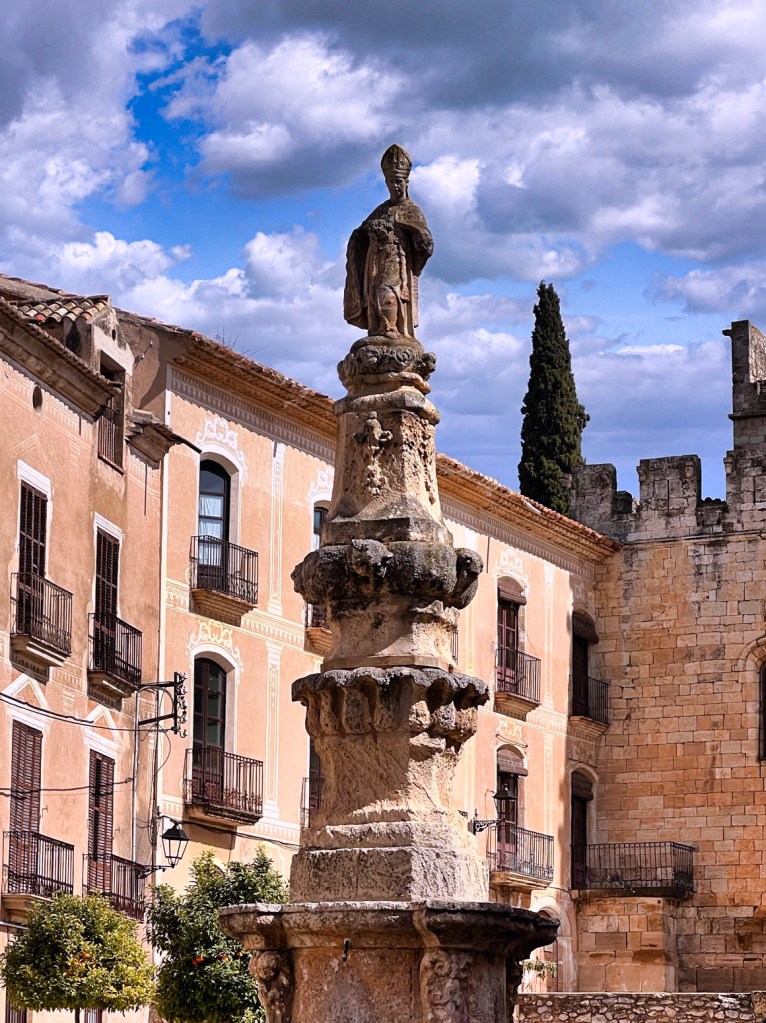
The Royal Monastery of Santes Creus, located in the province of Tarragona, is one of the most significant monastic complexes in Catalonia. Founded in 1158, it played a crucial role in the spread of the Cistercian Order throughout the region and became a cultural and religious center of great importance.
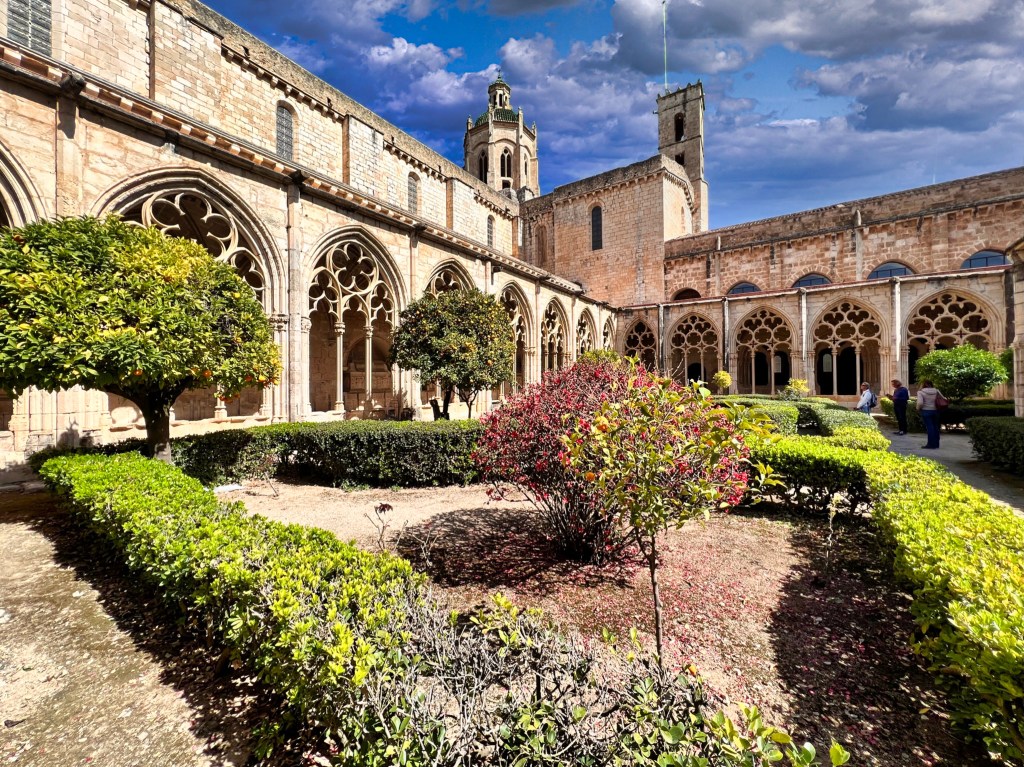
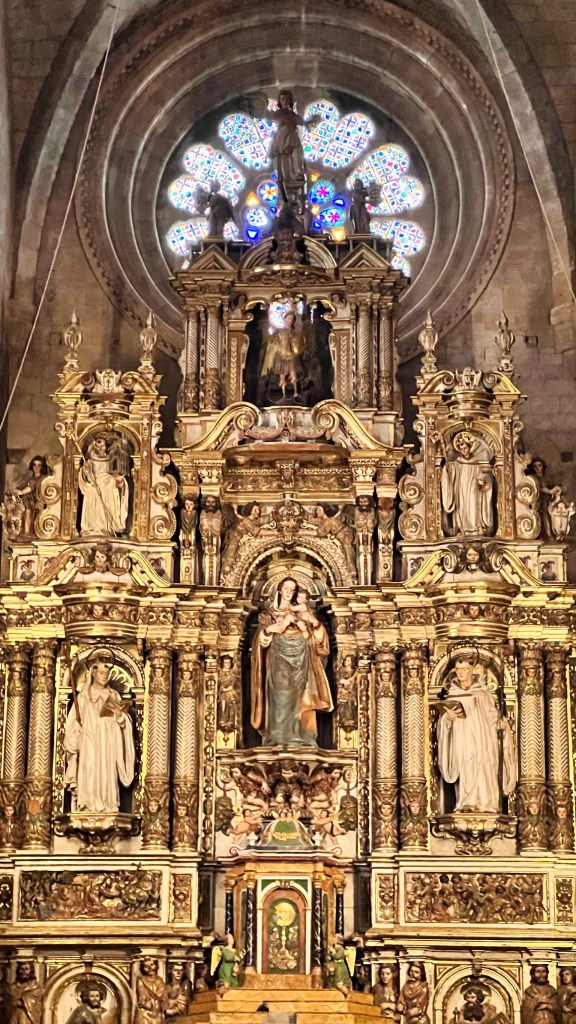
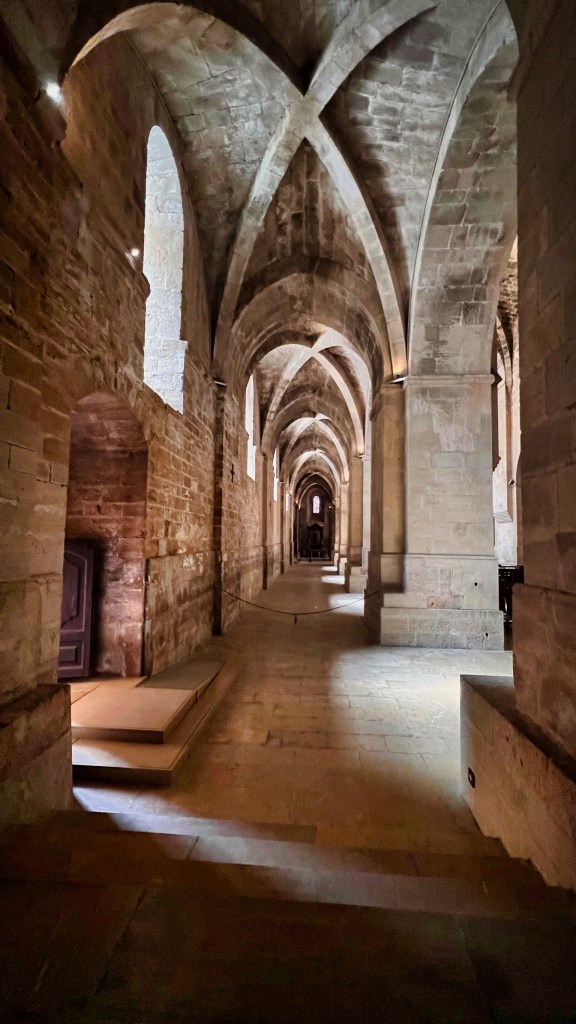
Built in the Catalan Gothic style, the monastery boasts impressive architectural features, including a magnificent cloister, an austere yet elegant church, and the royal pantheon where King Peter III of Aragon and his son, King James II, are buried. The structure reflects the Cistercian principles of simplicity and functionality, avoiding excessive ornamentation while emphasizing grandeur and spirituality.
Santes Creus reached its peak during the 13th and 14th centuries, benefiting from royal patronage and serving as a place of meditation and political influence. However, with the decline of monastic orders in the 19th century, the monastery was abandoned and later declared a national monument to preserve its historical and artistic legacy.
Today, visitors can explore its well-preserved halls, cloisters, and gardens, immersing themselves in centuries of history. The monastery is also part of the Cistercian Route, a cultural itinerary that connects Santes Creus with the monasteries of Poblet and Vallbona de les Monges.
With its rich history, architectural beauty, and serene atmosphere, the Royal Monastery of Santes Creus remains a must-visit destination for history lovers and those seeking to experience Catalonia’s medieval past.









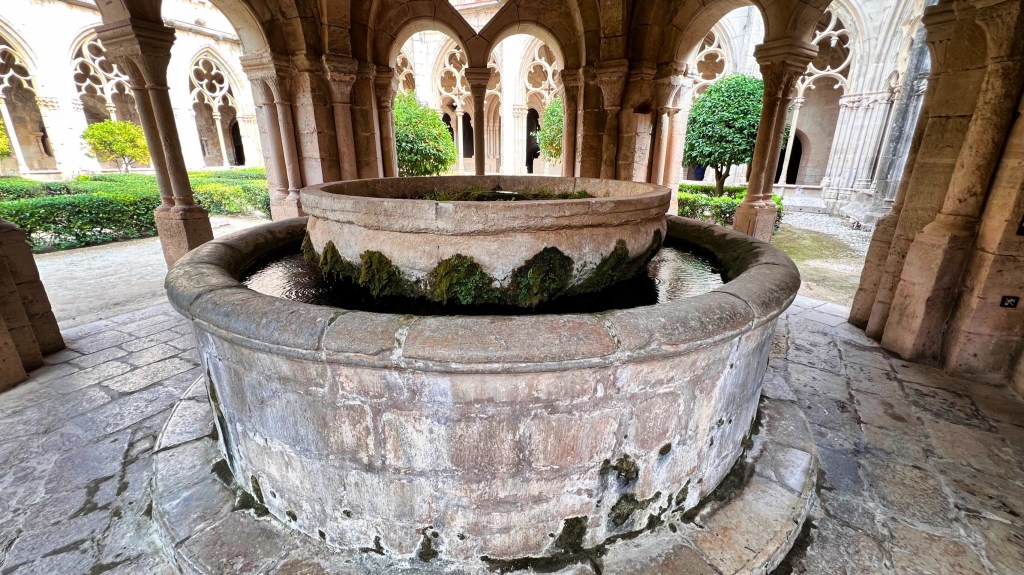
El Real Monasterio de Santes Creus: Una Joya de la Arquitectura Gótica Catalana
Construido en estilo gótico catalán, el monasterio cuenta con impresionantes elementos arquitectónicos, incluyendo un magnífico claustro, una iglesia austera pero elegante y el panteón real donde están enterrados el rey Pedro III de Aragón y su hijo, el rey Jaime II. La estructura refleja los principios cistercienses de simplicidad y funcionalidad, evitando la ornamentación excesiva y enfatizando la grandeza y la espiritualidad.
Santes Creus alcanzó su apogeo durante los siglos XIII y XIV, beneficiándose del patrocinio real y sirviendo como un lugar de meditación e influencia política. Sin embargo, con el declive de las órdenes monásticas en el siglo XIX, el monasterio fue abandonado y posteriormente declarado monumento nacional para preservar su legado histórico y artístico.
Hoy en día, los visitantes pueden recorrer sus bien conservadas salas, claustros y jardines, sumergiéndose en siglos de historia. El monasterio también forma parte de la Ruta del Císter, un itinerario cultural que conecta Santes Creus con los monasterios de Poblet y Vallbona de les Monges.
Con su rica historia, belleza arquitectónica y ambiente sereno, el Real Monasterio de Santes Creus sigue siendo un destino imprescindible para los amantes de la historia y aquellos que desean experimentar el pasado medieval de Cataluña.
 Manel Delgado Photo